Recent Gallery


Maramadi – The Bull Race of Kerala

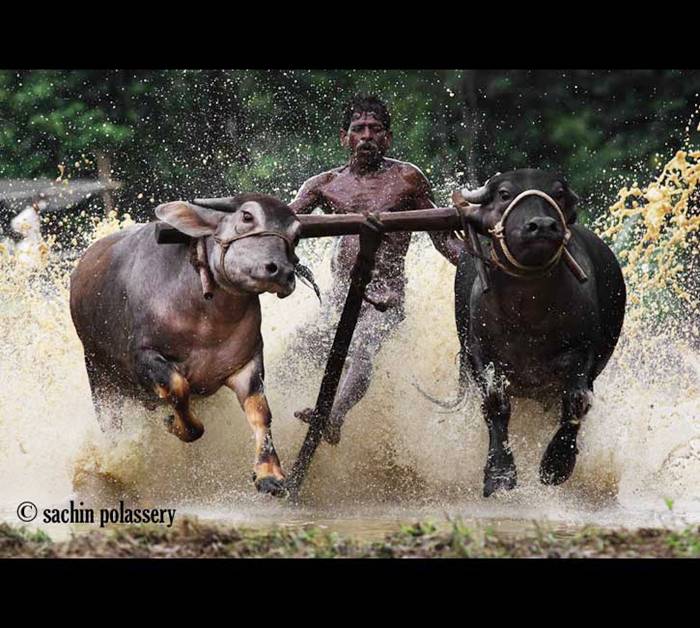
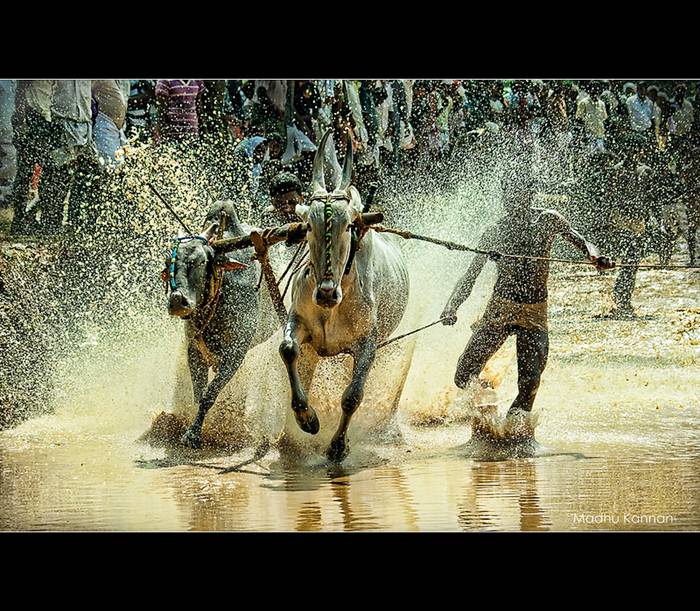
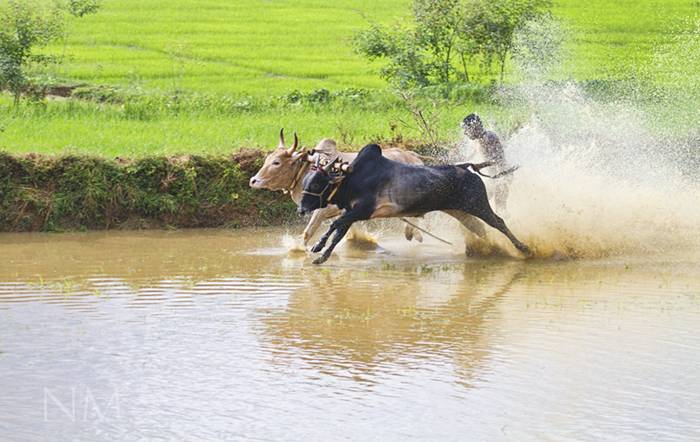
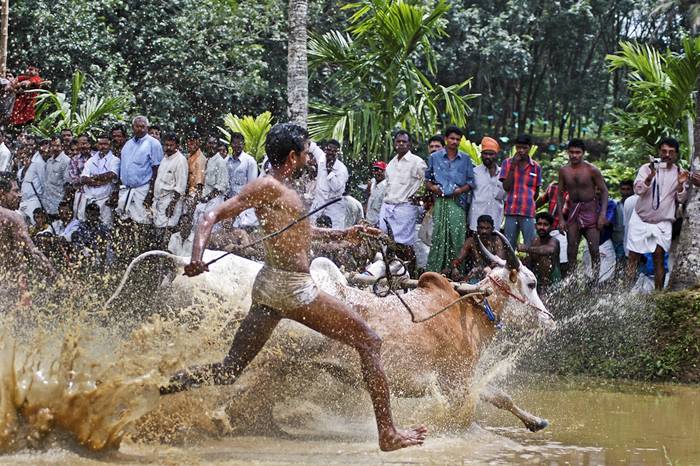
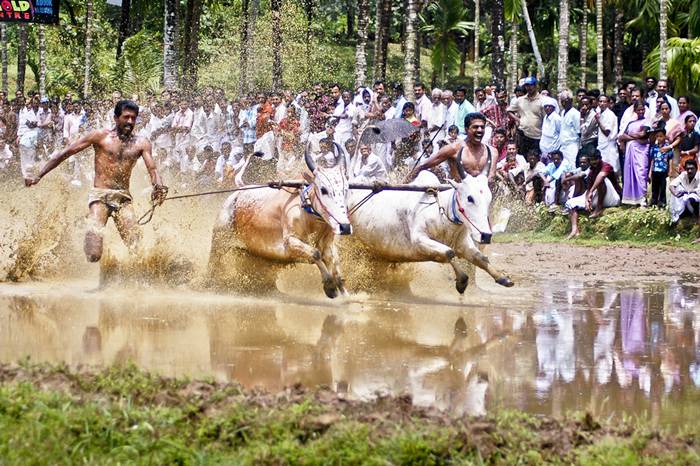
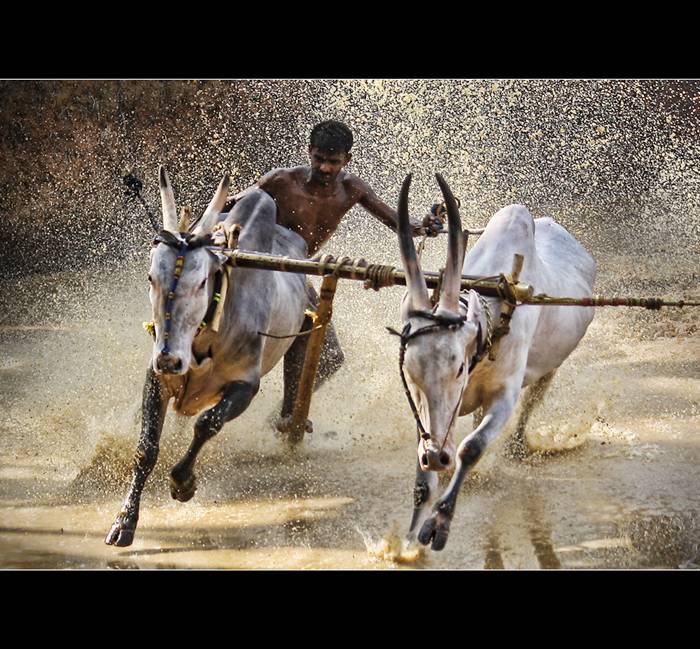
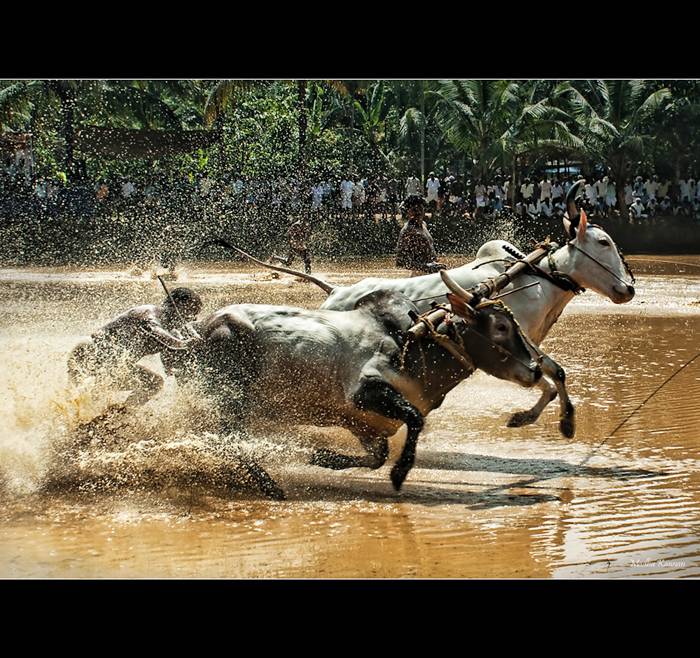
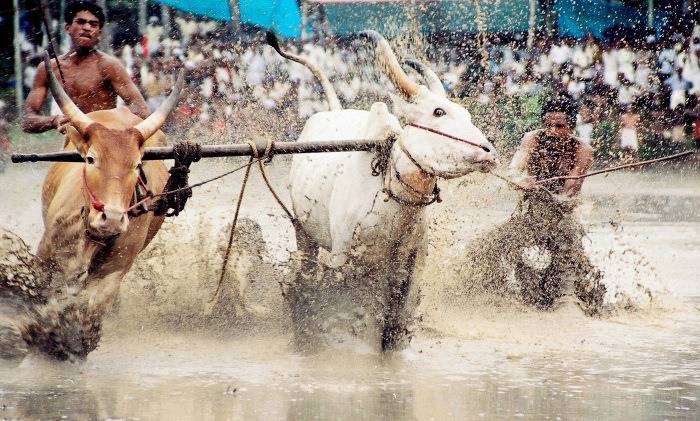
The most famous traditional game involving bulls is Spanish bullfighting, but the people of Kerala, India, have come up with a way celebration that doesn’t involve torturing and killing poor animals. It’s called Maramadi, and it’s held every year, in the post-harvest season.
Photo — Link

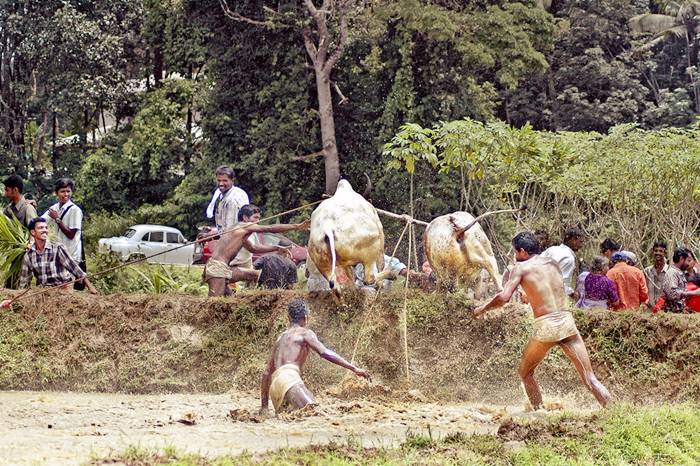
At the annual Maramadi festival during the post harvest season in the villages of Kerala in southern India, a peculiar bull race takes place. A pair of bulls are sent charging down the football field-sized rice paddy field soaked in ankle deep water, while their guides hang onto the tail or onto a harness and slide through the mud. The fields are freshly ploughed and the muddy water splash about as the bulls are raced by their guides. The villagers gather around these fields keeping safe distance. The air is rent with excitement fervor as there is stiff competition over these races.

A pair of oxen is usually managed by three persons forming a participating unit. Nearly 30 such units participate in the race which starts at noon and continues up to dusk. Like professional Jockeys these persons are also well trained and are experts in managing the oxen during the race. The oxen participating in for these races are specially fed and trained.

The most famous among the Maramadi races is held in Anandapali village Pathnamthitta District near Adoor City in Kerala. Here it is held around August 15th every year and coincides with the Onam celebrations.
The most famous traditional game involving bulls is Spanish bullfighting, but the people of Kerala, India, have come up with a way celebration that doesn’t involve torturing and killing poor animals. It’s called Maramadi, and it’s held every year, in the post-harvest season.
Photo — Link

The most famous traditional game involving bulls is Spanish bullfighting, but the people of Kerala, India, have come up with a way celebration that doesn’t involve torturing and killing poor animals. It’s called Maramadi, and it’s held every year, in the post-harvest season.
Photo — Link

The most famous traditional game involving bulls is Spanish bullfighting, but the people of Kerala, India, have come up with a way celebration that doesn’t involve torturing and killing poor animals. It’s called Maramadi, and it’s held every year, in the post-harvest season.
Photo — Link

The most famous traditional game involving bulls is Spanish bullfighting, but the people of Kerala, India, have come up with a way celebration that doesn’t involve torturing and killing poor animals. It’s called Maramadi, and it’s held every year, in the post-harvest season.
Photo — Link

The most famous traditional game involving bulls is Spanish bullfighting, but the people of Kerala, India, have come up with a way celebration that doesn’t involve torturing and killing poor animals. It’s called Maramadi, and it’s held every year, in the post-harvest season.
Photo — Link

The most famous traditional game involving bulls is Spanish bullfighting, but the people of Kerala, India, have come up with a way celebration that doesn’t involve torturing and killing poor animals. It’s called Maramadi, and it’s held every year, in the post-harvest season.
Photo — Link

The most famous traditional game involving bulls is Spanish bullfighting, but the people of Kerala, India, have come up with a way celebration that doesn’t involve torturing and killing poor animals. It’s called Maramadi, and it’s held every year, in the post-harvest season.
Photo — Link

The most famous traditional game involving bulls is Spanish bullfighting, but the people of Kerala, India, have come up with a way celebration that doesn’t involve torturing and killing poor animals. It’s called Maramadi, and it’s held every year, in the post-harvest season.
Photo — Link

The most famous traditional game involving bulls is Spanish bullfighting, but the people of Kerala, India, have come up with a way celebration that doesn’t involve torturing and killing poor animals. It’s called Maramadi, and it’s held every year, in the post-harvest season.
Photo — Link

Photo — Link

Photo — Link

Photo — Link

Photo — Link

Photo —

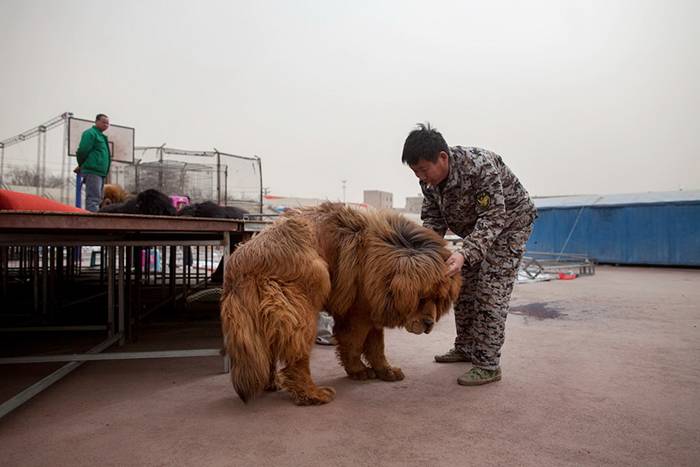
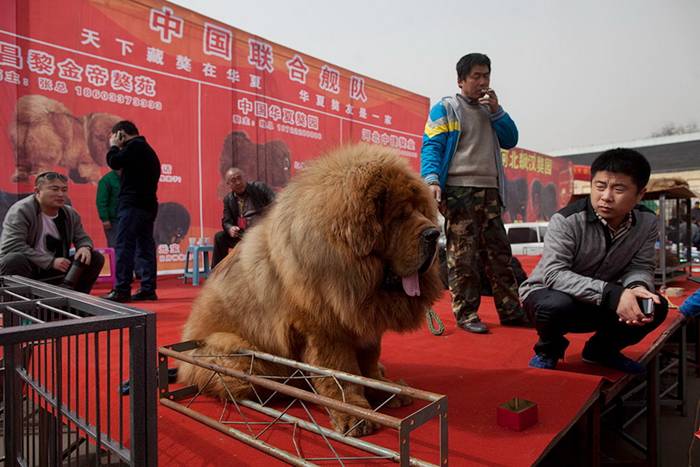
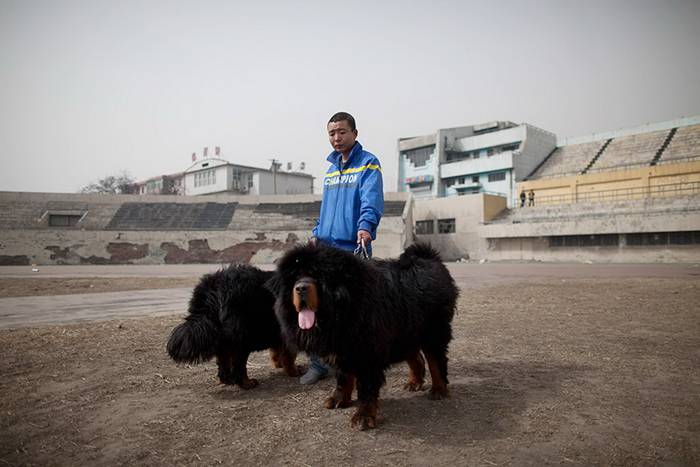
Millions for a mastiff at China Tibetan Dog Expo

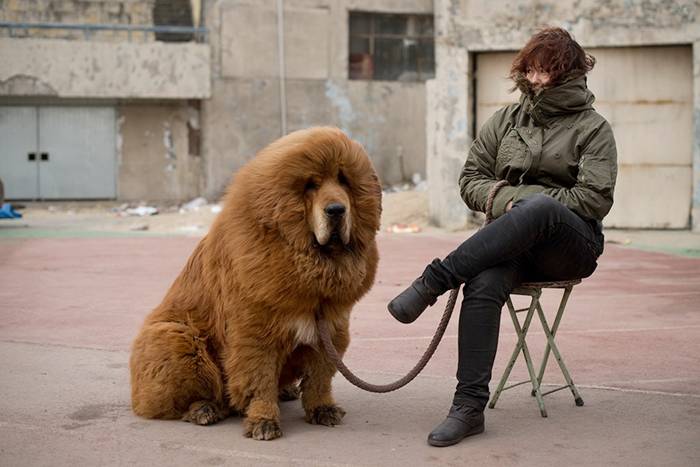
Beijing where Tibetan mastiffs, a much sought after status symbol, are bought and sold for up to £500,000

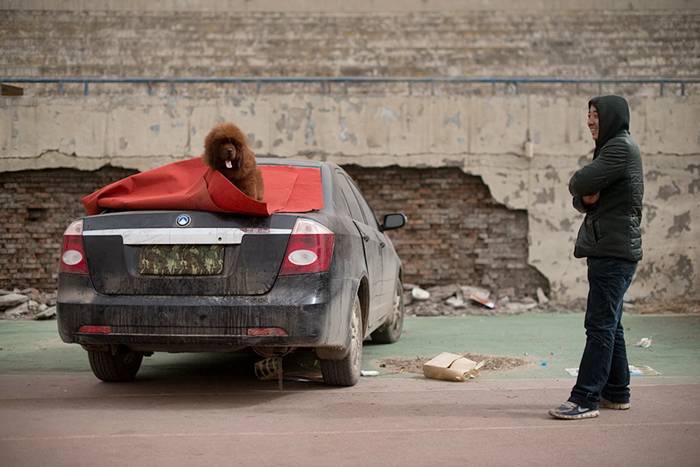
BAODING, China — Drooping eyes barely visible behind a mountain of glossy black fur, an enormous dog snoozes on stage in an industrial Chinese city. Its asking price: close to a million US dollars. "This is the greatest dog in China," breeder Yao Yi said, as he stroked a year-old Tibetan Mastiff, up for sale on Saturday for five million Chinese yuan ($800,000), at a dog show in Baoding, a few hours drive from Beijing. Massive and sometimes ferocious, with round manes lending them a passing resemblance to lions, Tibetan Mastiffs have become a prized status-symbol among China's wealthy, with rich buyers across the country sending prices skyrocketing. One red Mastiff named "Big Splash", reportedly sold for 10 million yuan ($1.5 million) in 2011, in the most expensive dog-sale then recorded. "Check out her paws, they're enormous," Yao said, as his dog salivated onto a wooden stage in a dilapidated sports stadium where breeders gathered from across northern China to show off their purebred canines.

Beijing where Tibetan mastiffs, a much sought after status symbol, are bought and sold for up to £500,000


"Her parents are from Tibet, so she's not used to hot weather," Yao added.

Owners say the mastiffs, descendents of dogs used for hunting by nomadic tribes in central Asia and Tibet, are fiercely loyal and protective.

Breeders still journey to the Himalayan Plateau to collect young puppies.

"It takes over a month to drive back from Tibetan areas with the dogs," said Wang Fei, a Beijing-based mastiff breeder who collects white-coloured puppies from Western China in the back of a truck.
Most of the puppies are unable to adjust to low altitudes and die during the journey, he added. "The success rate is not very high."

The risks of travel lead other breeders to raise dogs closer to their clients in China's wealthy eastern provinces.

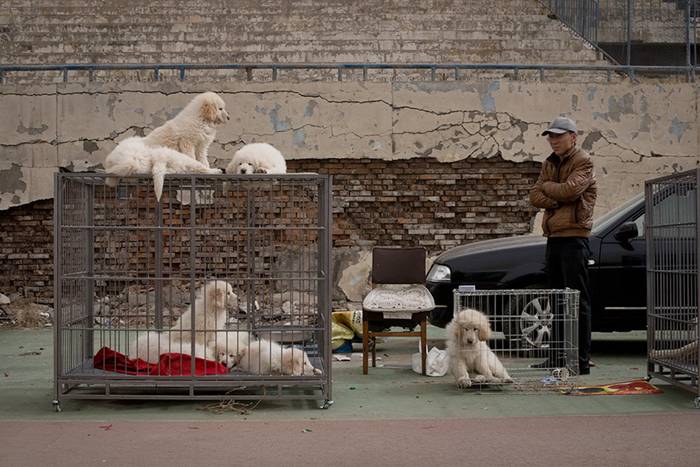
"I take dogs to Tibet for breeding, but they give birth near Beijing," said Zhang Ming, who joined vendors at the mastiff-dedicated expo, where dozens of dogs paced around in white cages or peeked out from the back of cars.

Beijing where Tibetan mastiffs, a much sought after status symbol, are bought and sold for up to £500,000

Zhang's wealthiest clients include the owners of coal-mines which dot the landscape of northern China, he said.

"Now almost everyone has a car, so people need a new way of showing their wealth," he said, adding that not all of his clients pay in cash.

"One buyer paid for a dog with a 30,000 yuan Omega watch and a car, just for a small dog," he said, whipping out his smartphone to show a record of the transaction.

The sperm of pure-bred mastiffs can also be worth a fortune. "I would charge 50,000 yuan to sell his sperm," Zhang said of his favourite dog, named "Moonlight Fairytale", on sale for 200,000 yuan and weighing 155 kilogrammes (340 pounds).

The booming market has attracted a fair share of fraudsters, with some passing off crossbred dogs for pedigrees, using artificial hair extensions made with dog fur, the China Daily reported.

Intensive breeding has led to dangerous numbers of inbred mastiffs, while some vendors inject glucose into dog's legs to make them appear stronger, the Global Times daily reported.

Beijing where Tibetan mastiffs, a much sought after status symbol, are bought and sold for up to £500,000

Out of control Tibetan mastiffs have also carried out attacks across China, with one dog wounding nine people in a frenzied attack in Beijing in 2012, said the Global Times.

Local newspapers reported in December that a 62-year-old man in central China's Henan province died after being attacked by a Tibetan Mastiff owned by a local government official.

Regulations in Beijing and other major Chinese cities ban residents from keeping large dogs in downtown areas, but rules are sometimes flouted.

"It's like the one child policy," Zhang said, referring to rules limiting the number of children families can have, which can be circumvented by paying fines to authorities. "If you really need to break the rules, you can do."
Vendors at the dog show haggled with locals over prices for cheaper crossbred mastiffs, but Zhang sets his sights on the higher-end of the market.

"There are a lot of people buying dogs worth around million yuan," he said.

Beijing where Tibetan mastiffs, a much sought after status symbol, are bought and sold for up to £500,000

Beijing where Tibetan mastiffs, a much sought after status symbol, are bought and sold for up to £500,000

Beijing where Tibetan mastiffs, a much sought after status symbol, are bought and sold for up to £500,000

Beijing where Tibetan mastiffs, a much sought after status symbol, are bought and sold for up to £500,000

Beijing where Tibetan mastiffs, a much sought after status symbol, are bought and sold for up to £500,000

Beijing where Tibetan mastiffs, a much sought after status symbol, are bought and sold for up to £500,000

Beijing where Tibetan mastiffs, a much sought after status symbol, are bought and sold for up to £500,000

Beijing where Tibetan mastiffs, a much sought after status symbol, are bought and sold for up to £500,000

Beijing where Tibetan mastiffs, a much sought after status symbol, are bought and sold for up to £500,000

Photograph: Ed Jones/AFP/Getty Images Text
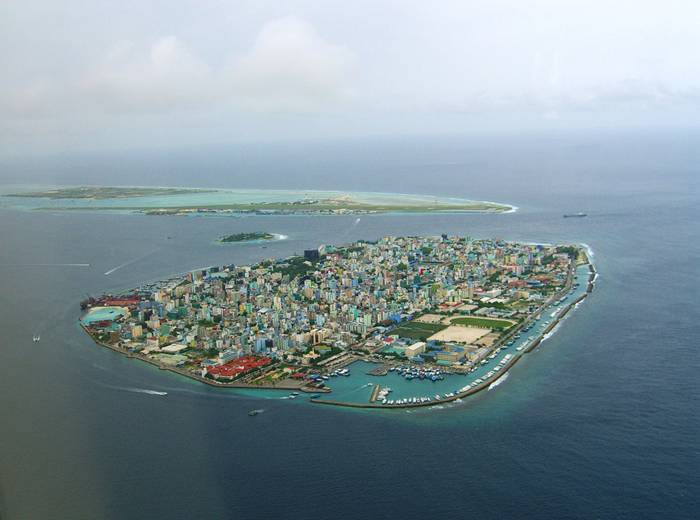
Male Island — Kaafu Atoll

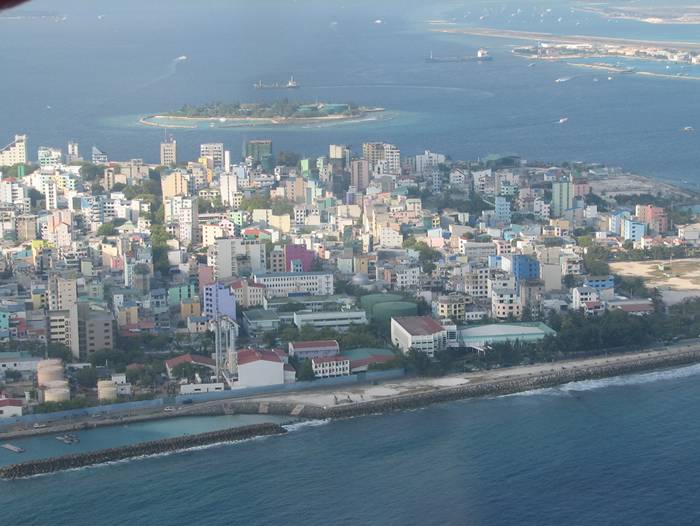
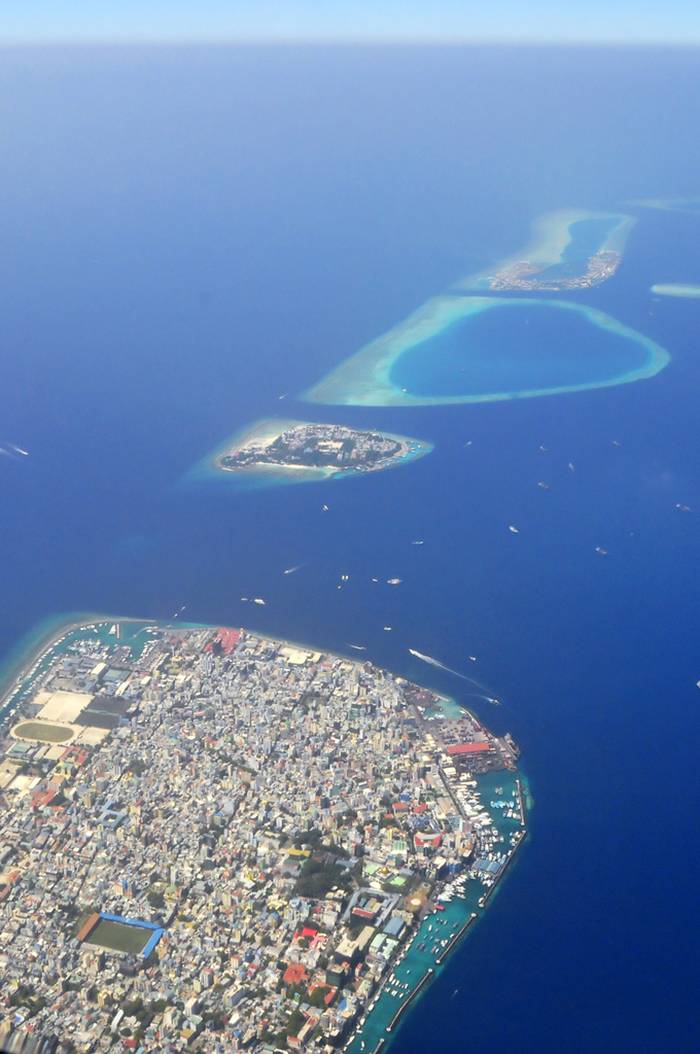
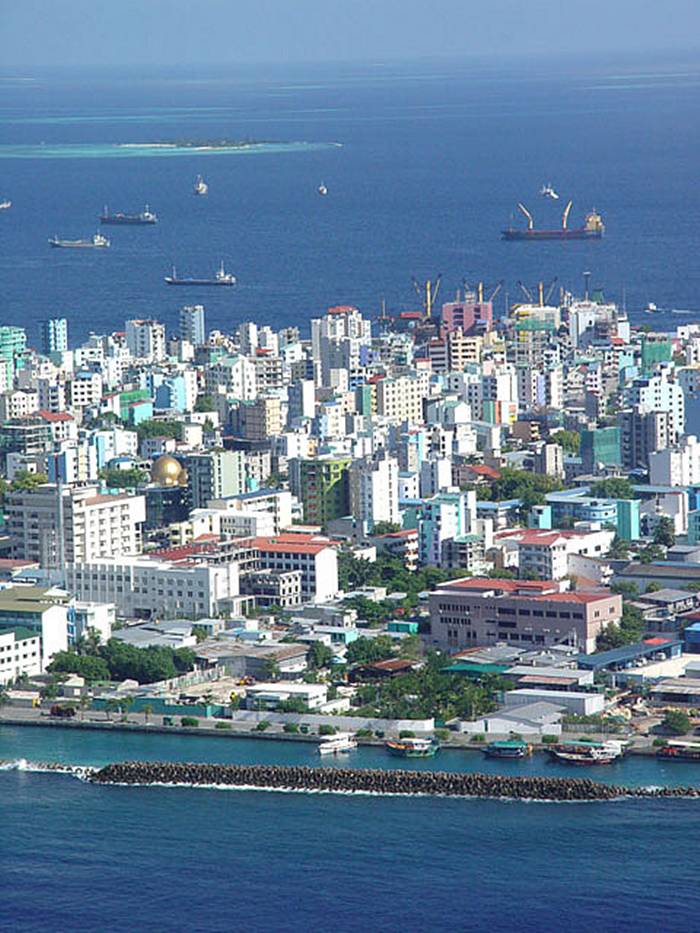
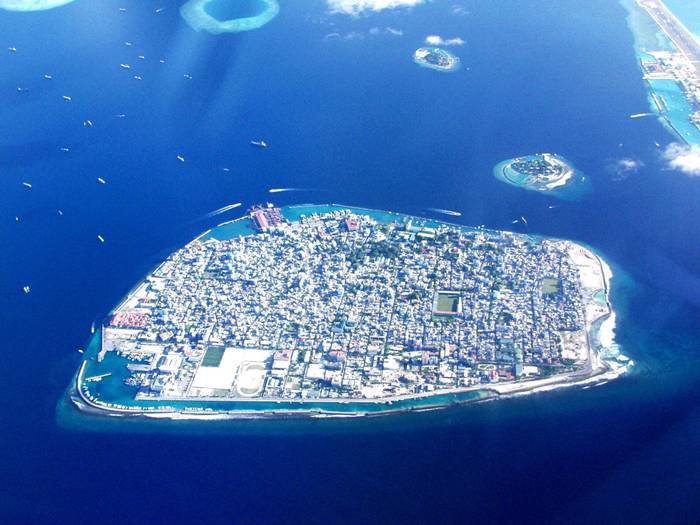
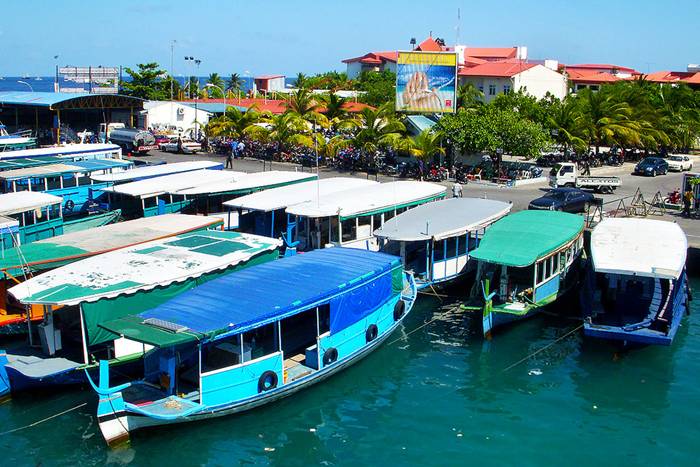
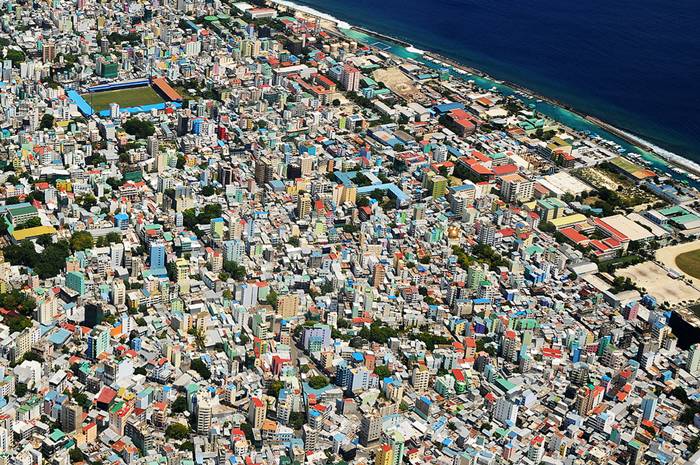
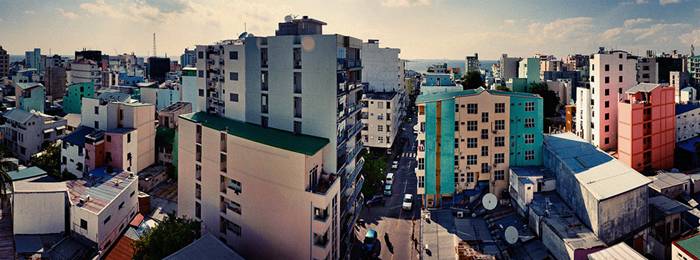
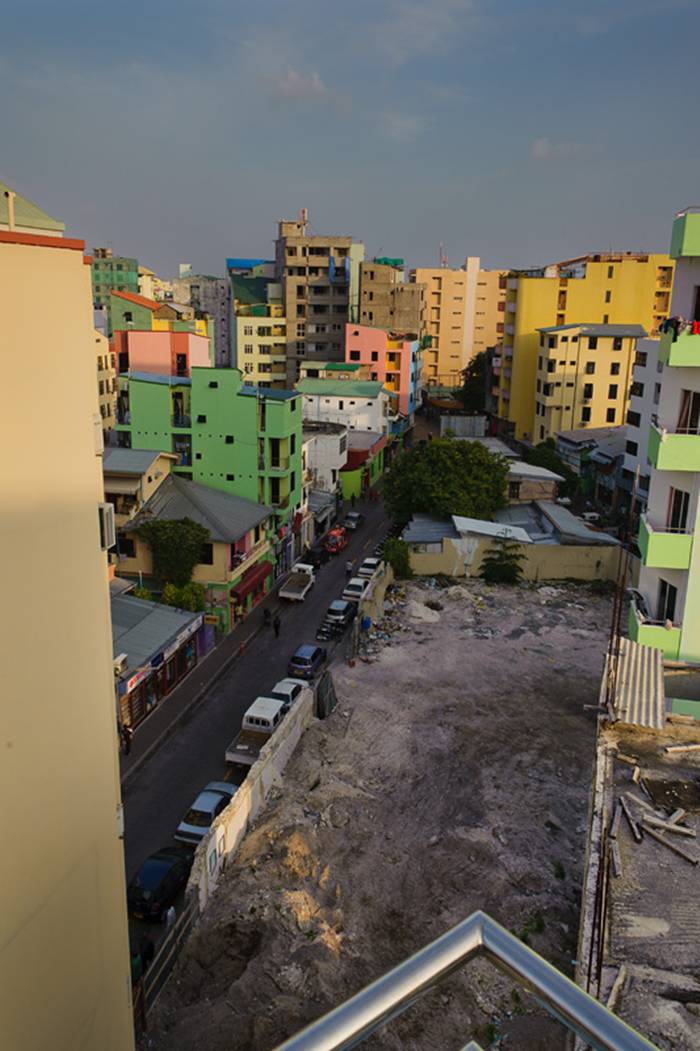
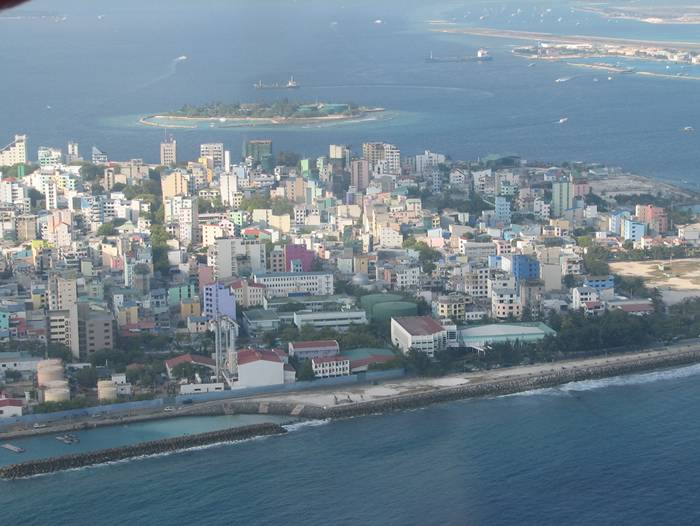
Malé, is the capital and most populous city in the Republic of Maldives. It is located at the southern edge of North Malé Atoll (Kaafu Atoll). It is also one of the Administrative divisions of the Maldives. Traditionally it was the King's Island, from where the ancient Maldive Royal dynasties ruled and where the palace was located. The city was also called Mahal. Formerly it was a walled city surrounded by fortifications and gates (doroshi). The Royal Palace (Gan'duvaru) was destroyed along with the picturesque forts (kotte) and bastions (buruzu) when the city was remodelled under President Ibrahim Nasir's rule after the abolition of the monarchy. However, the beautifully decorated Male' Hukuru Miskiy remains. In recent years, the island has been considerably expanded through landfilling operations. Over the years there have been many coup attempts and protests centered in Male as a result of demand for greater democracy in the Maldives.
Male, is the capital and most populous city in the Republic of Maldives. It is located at the southern edge of North Malé Atoll (Kaafu Atoll). It is also one of the Administrative divisions of the Maldives. Traditionally it was the King's Island, from where the ancient Maldive Royal dynasties ruled and where the palace was located. The city was also called Mahal.
Photo — Link
The whole island group, the Maldives, is named after its capital. The word "Maldives" means "The islands (dives) of Male'". The first settlers in the Maldive islands were Dravidian people from the nearest shores, which are in the modern Indian Subcontinent and coastal Ceylon. Comparative studies of Maldivian linguistic, oral and other cultural traditions, in addition to folklore, point to a strong Dravidian influence on Maldivian society, centered in Malé, from ancient times. The people of Giraavaru, an island located in Malé Atoll (now a tourist resort, after the forced diaspora of its inhabitants) claim to descend from the first settlers of the Maldives, ancient Tamils. 
Male, is the capital and most populous city in the Republic of Maldives. It is located at the southern edge of North Malé Atoll (Kaafu Atoll). It is also one of the Administrative divisions of the Maldives. Traditionally it was the King's Island, from where the ancient Maldive Royal dynasties ruled and where the palace was located. The city was also called Mahal.
Photo — Link
It is said that Giraavaru fishermen used to go regularly to a certain large sandbank (finolhu) at the southern end of their atoll to clean tuna fish after a good catch. Owing to the large amount of tuna fish offal and blood, the waters around that sandbank looked like a big pool of blood (maa ley gandeh). "Maa" (from the Sanskrit  "Maha"), meaning big, and "Le" meaning blood. Traditionally the first inhabitants of the Maldives, which include the Giravaru people, didn't have kings. They lived in a simple society and were ruled by local headmen. But one day a prince from the Subcontinent called Koimala arrived to Malé Atoll sailing from the North on a big ship. The people of Giraavaru spotted his vessel from afar and welcomed him. They allowed Prince Koimala to settle on that large sandbank in the midst of the waters tainted with fish blood. Trees were planted on the sandbank and it is said that the first tree that grew on it was the papaya tree. However this could refer to any tree that bears edible fruit as the archaic Dhivehi word (and Mahal word even today) for fruit was the same as that for the papaya (falhoa). As time went by the local islanders accepted the rule of this Northern Prince. A palace was built and the island was formally named Maa-le (Malé), while the nearest island was named Hulhu-le.
Male, is the capital and most populous city in the Republic of Maldives. It is located at the southern edge of North Malé Atoll (Kaafu Atoll). It is also one of the Administrative divisions of the Maldives. Traditionally it was the King's Island, from where the ancient Maldive Royal dynasties ruled and where the palace was located. The city was also called Mahal.
Photo — Link
The names of the main four wards or divisions of Malé Island are said to have been given by the aboriginal Giraavaru fishermen: Maafannu from "maa" (big) and "fannu" (a place where a village path meets the sea), Henveiru from "en-beyru" (out where fishermen got their bait), Galolhu from "galu-olhu" (stone groove) and, Macchangolhi from "mathi-angolhi" (windward path-fork). The modern-day city was founded as a trading post by the Portuguese in the 16th century.
Male, is the capital and most populous city in the Republic of Maldives. It is located at the southern edge of North Malé Atoll (Kaafu Atoll). It is also one of the Administrative divisions of the Maldives. Traditionally it was the King's Island, from where the ancient Maldive Royal dynasties ruled and where the palace was located. The city was also called Mahal.
Photo — Link
Male, is the capital and most populous city in the Republic of Maldives. It is located at the southern edge of North Malé Atoll (Kaafu Atoll). It is also one of the Administrative divisions of the Maldives. Traditionally it was the King's Island, from where the ancient Maldive Royal dynasties ruled and where the palace was located. The city was also called Mahal.
Photo — Link
Male, is the capital and most populous city in the Republic of Maldives. It is located at the southern edge of North Malé Atoll (Kaafu Atoll). It is also one of the Administrative divisions of the Maldives. Traditionally it was the King's Island, from where the ancient Maldive Royal dynasties ruled and where the palace was located. The city was also called Mahal.
Photo — Link
Male, is the capital and most populous city in the Republic of Maldives. It is located at the southern edge of North Malé Atoll (Kaafu Atoll). It is also one of the Administrative divisions of the Maldives. Traditionally it was the King's Island, from where the ancient Maldive Royal dynasties ruled and where the palace was located. The city was also called Mahal.
Photo — Link
Male, is the capital and most populous city in the Republic of Maldives. It is located at the southern edge of North Malé Atoll (Kaafu Atoll). It is also one of the Administrative divisions of the Maldives. Traditionally it was the King's Island, from where the ancient Maldive Royal dynasties ruled and where the palace was located. The city was also called Mahal.
Photo — Link
Male, is the capital and most populous city in the Republic of Maldives. It is located at the southern edge of North Malé Atoll (Kaafu Atoll). It is also one of the Administrative divisions of the Maldives. Traditionally it was the King's Island, from where the ancient Maldive Royal dynasties ruled and where the palace was located. The city was also called Mahal.
Photo — Link
Male, is the capital and most populous city in the Republic of Maldives. It is located at the southern edge of North Malé Atoll (Kaafu Atoll). It is also one of the Administrative divisions of the Maldives. Traditionally it was the King's Island, from where the ancient Maldive Royal dynasties ruled and where the palace was located. The city was also called Mahal.
Photo — Link
Male, is the capital and most populous city in the Republic of Maldives. It is located at the southern edge of North Malé Atoll (Kaafu Atoll). It is also one of the Administrative divisions of the Maldives. Traditionally it was the King's Island, from where the ancient Maldive Royal dynasties ruled and where the palace was located. The city was also called Mahal.
Photo — Link
Male, is the capital and most populous city in the Republic of Maldives. It is located at the southern edge of North Malé Atoll (Kaafu Atoll). It is also one of the Administrative divisions of the Maldives. Traditionally it was the King's Island, from where the ancient Maldive Royal dynasties ruled and where the palace was located. The city was also called Mahal.
Photo — Link
Male, is the capital and most populous city in the Republic of Maldives. It is located at the southern edge of North Malé Atoll (Kaafu Atoll). It is also one of the Administrative divisions of the Maldives. Traditionally it was the King's Island, from where the ancient Maldive Royal dynasties ruled and where the palace was located. The city was also called Mahal.
Photo — Link
Male, is the capital and most populous city in the Republic of Maldives. It is located at the southern edge of North Malé Atoll (Kaafu Atoll). It is also one of the Administrative divisions of the Maldives. Traditionally it was the King's Island, from where the ancient Maldive Royal dynasties ruled and where the palace was located. The city was also called Mahal.
Photo — Link
Male, is the capital and most populous city in the Republic of Maldives. It is located at the southern edge of North Malé Atoll (Kaafu Atoll). It is also one of the Administrative divisions of the Maldives. Traditionally it was the King's Island, from where the ancient Maldive Royal dynasties ruled and where the palace was located. The city was also called Mahal.
Photo — Link
Male, is the capital and most populous city in the Republic of Maldives. It is located at the southern edge of North Malé Atoll (Kaafu Atoll). It is also one of the Administrative divisions of the Maldives. Traditionally it was the King's Island, from where the ancient Maldive Royal dynasties ruled and where the palace was located. The city was also called Mahal.
Photo — Link
Male, is the capital and most populous city in the Republic of Maldives. It is located at the southern edge of North Malé Atoll (Kaafu Atoll). It is also one of the Administrative divisions of the Maldives. Traditionally it was the King's Island, from where the ancient Maldive Royal dynasties ruled and where the palace was located. The city was also called Mahal.
Photo — Link
Male, is the capital and most populous city in the Republic of Maldives. It is located at the southern edge of North Malé Atoll (Kaafu Atoll). It is also one of the Administrative divisions of the Maldives. Traditionally it was the King's Island, from where the ancient Maldive Royal dynasties ruled and where the palace was located. The city was also called Mahal.
Photo — Link
Male, is the capital and most populous city in the Republic of Maldives. It is located at the southern edge of North Malé Atoll (Kaafu Atoll). It is also one of the Administrative divisions of the Maldives. Traditionally it was the King's Island, from where the ancient Maldive Royal dynasties ruled and where the palace was located. The city was also called Mahal.
Photo — Link
Male, is the capital and most populous city in the Republic of Maldives. It is located at the southern edge of North Malé Atoll (Kaafu Atoll). It is also one of the Administrative divisions of the Maldives. Traditionally it was the King's Island, from where the ancient Maldive Royal dynasties ruled and where the palace was located. The city was also called Mahal.
Photo — Link

The Pearl of the Desert — Ghadames

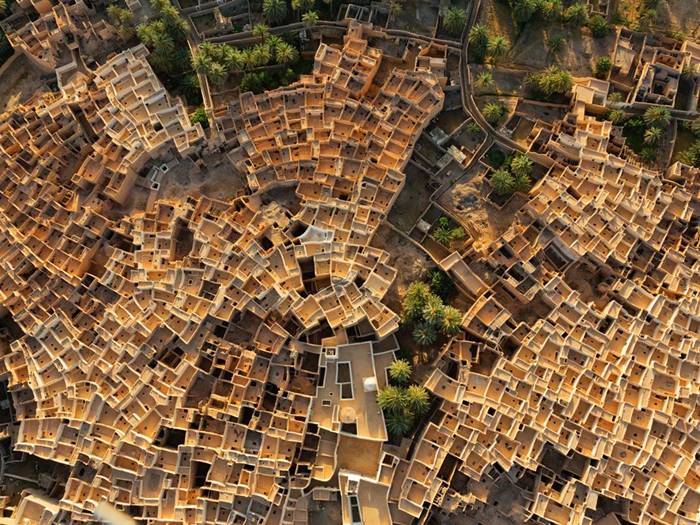
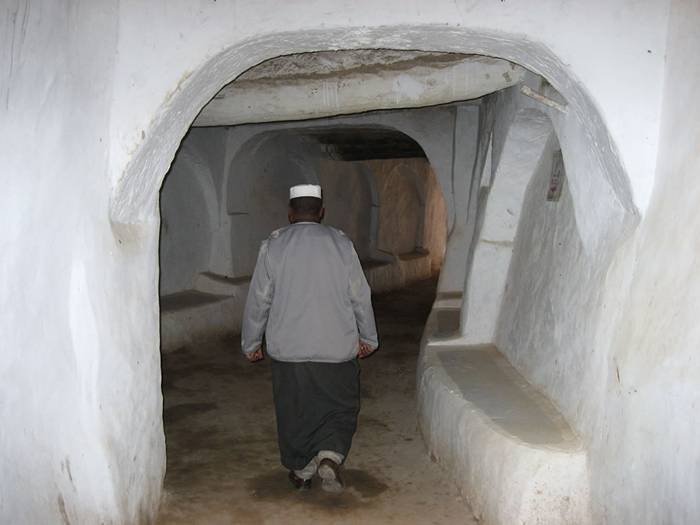
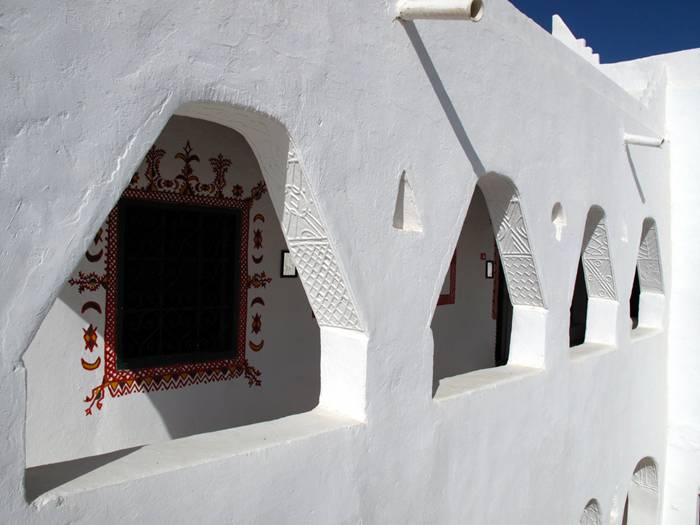
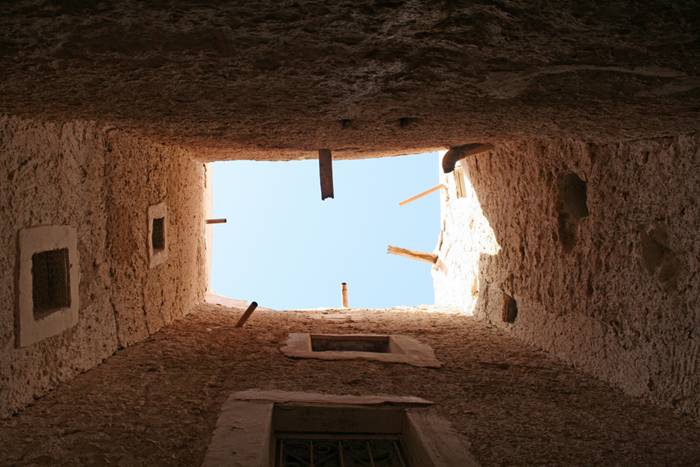
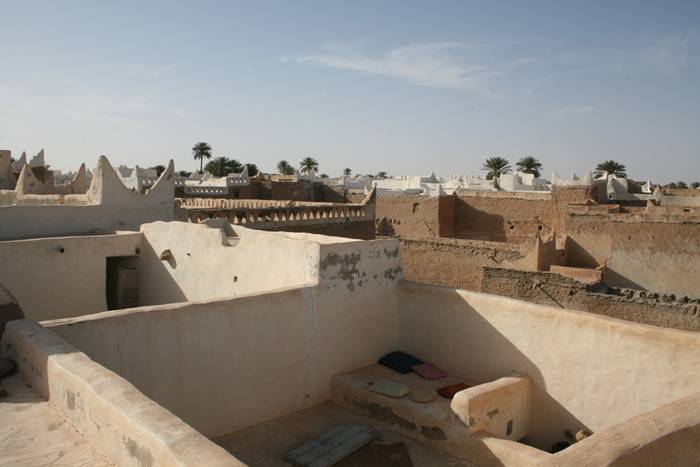
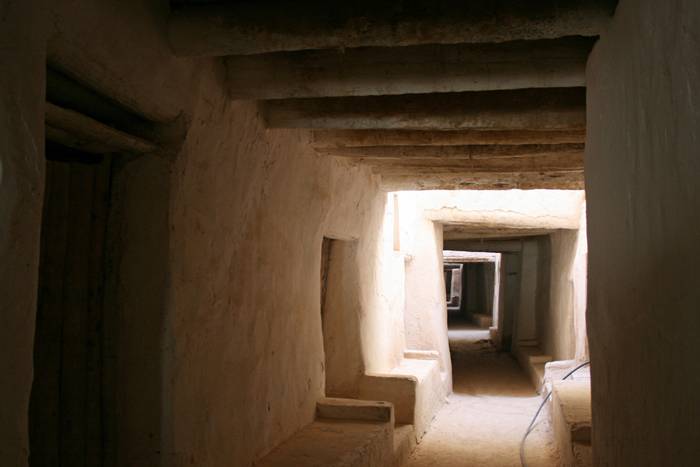
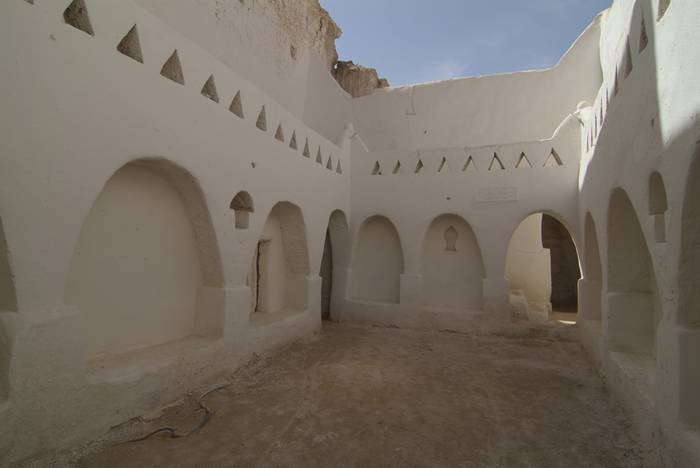
The Old Town of Ghadames is known as the “pearl of the desert”, is an oasis town in the Nalut District of the Tripolitania region in southwestern Libya. It is one of the oldest Pre-Saharan cities and an outstanding example of a traditional settlement. The town has a population of around 10,000, mainly Berbers, who live in tightly clustered traditional mud-brick-and-palm houses, packed together like a honeycomb. The houses have a typical vertical architecture - the ground floor is used to store supplies, then another floor for the family, and at the top, open-air terraces are reserved for the women. Rooftop walkways allow women to move freely, concealed from men’s view. Overhanging structures cover the alleys between houses creating an almost underground network of passageways.
Ghadames, known as the “pearl of the desert”, is an oasis town in the Nalut District of the Tripolitania region in southwestern Libya. It is one of the oldest pre-Saharan cities and an outstanding example of a traditional settlement. The town has a population of around 10,000, mainly Berbers, who live in tightly clustered traditional mud-brick-and-palm houses, packed together like a honeycomb. The houses have a typical vertical architecture - the ground floor is used to store supplies, then another floor for the family, and at the top, open-air terraces are reserved for the women. Rooftop walkways allow women to move freely, concealed from men’s view. Overhanging structures cover the alleys between houses creating an almost underground network of passageways.
Photo — Link

Ghademes is an old town. The first records about Ghadames date from the Roman period, when the settlement was known as Cydamus, a fortified city dating back to the 1st century BC. Today it is a small oasis city situated next to a palm grove. None of the surviving buildings date from the protohistoric Berber period, or the period of Roman domination, yet a remarkable domestic architectural style distinguishes Ghadamès from other pre-Saharan cities and settlements stretching along the northern edge of the desert from Libya to Mauritania. Roughly circular in layout, the historic city of Ghadamès comprises a cluster of houses. The reinforced outer walls of the houses on the edge of the city form a fortified wall. This rudimentary urban enclosure is penetrated here and there by doors and bastions.
The houses have a minimum of two main floors. The ground floor, which may be sunken, is accessed by a single door that opens onto a narrow hallway leading to a rectangular-shaped room where provisions are stored. At the back there is a staircase that leads to a much more spacious upper level. The first floor generally includes a raised attic and bedrooms, and sometimes a sitting-room. Sometimes there is a second floor with a similar layout. Ground-level living space encroaches upon the blind enclosed passageways along the walls on the ground floor which open onto the city, forming arcades rather than actual streets. At the level of the terraces only the projecting portion formed by the raised attic rises above the roof, marked off by low enclosure walls.
The terraces of adjacent houses are joined with each other forming an open cityscape. The terrace is the domain of women, and gives them a great deal of freedom. Communicating between terraces they make friends with neighbours and can even move about the 'roof' of the city. The covered arcades at ground level are generally reserved for men. The old part of the town was declared a UNESCO World Heritage site in 1986. 
Ghadames, known as the “pearl of the desert”, is an oasis town in the Nalut District of the Tripolitania region in southwestern Libya. It is one of the oldest pre-Saharan cities and an outstanding example of a traditional settlement. The town has a population of around 10,000, mainly Berbers, who live in tightly clustered traditional mud-brick-and-palm houses, packed together like a honeycomb. The houses have a typical vertical architecture - the ground floor is used to store supplies, then another floor for the family, and at the top, open-air terraces are reserved for the women. Rooftop walkways allow women to move freely, concealed from men’s view. Overhanging structures cover the alleys between houses creating an almost underground network of passageways.
Photo — Link
Ghadames, known as the “pearl of the desert”, is an oasis town in the Nalut District of the Tripolitania region in southwestern Libya. It is one of the oldest pre-Saharan cities and an outstanding example of a traditional settlement. The town has a population of around 10,000, mainly Berbers, who live in tightly clustered traditional mud-brick-and-palm houses, packed together like a honeycomb. The houses have a typical vertical architecture - the ground floor is used to store supplies, then another floor for the family, and at the top, open-air terraces are reserved for the women. Rooftop walkways allow women to move freely, concealed from men’s view. Overhanging structures cover the alleys between houses creating an almost underground network of passageways.
Photo — Link
Ghadames, known as the “pearl of the desert”, is an oasis town in the Nalut District of the Tripolitania region in southwestern Libya. It is one of the oldest pre-Saharan cities and an outstanding example of a traditional settlement. The town has a population of around 10,000, mainly Berbers, who live in tightly clustered traditional mud-brick-and-palm houses, packed together like a honeycomb. The houses have a typical vertical architecture - the ground floor is used to store supplies, then another floor for the family, and at the top, open-air terraces are reserved for the women. Rooftop walkways allow women to move freely, concealed from men’s view. Overhanging structures cover the alleys between houses creating an almost underground network of passageways.
Photo — Link
Ghadames, known as the “pearl of the desert”, is an oasis town in the Nalut District of the Tripolitania region in southwestern Libya. It is one of the oldest pre-Saharan cities and an outstanding example of a traditional settlement. The town has a population of around 10,000, mainly Berbers, who live in tightly clustered traditional mud-brick-and-palm houses, packed together like a honeycomb. The houses have a typical vertical architecture - the ground floor is used to store supplies, then another floor for the family, and at the top, open-air terraces are reserved for the women. Rooftop walkways allow women to move freely, concealed from men’s view. Overhanging structures cover the alleys between houses creating an almost underground network of passageways.
Photo — Link
Ghadames, known as the “pearl of the desert”, is an oasis town in the Nalut District of the Tripolitania region in southwestern Libya. It is one of the oldest pre-Saharan cities and an outstanding example of a traditional settlement. The town has a population of around 10,000, mainly Berbers, who live in tightly clustered traditional mud-brick-and-palm houses, packed together like a honeycomb. The houses have a typical vertical architecture - the ground floor is used to store supplies, then another floor for the family, and at the top, open-air terraces are reserved for the women. Rooftop walkways allow women to move freely, concealed from men’s view. Overhanging structures cover the alleys between houses creating an almost underground network of passageways.
Photo — Link
Ghadames, known as the “pearl of the desert”, is an oasis town in the Nalut District of the Tripolitania region in southwestern Libya. It is one of the oldest pre-Saharan cities and an outstanding example of a traditional settlement. The town has a population of around 10,000, mainly Berbers, who live in tightly clustered traditional mud-brick-and-palm houses, packed together like a honeycomb. The houses have a typical vertical architecture - the ground floor is used to store supplies, then another floor for the family, and at the top, open-air terraces are reserved for the women. Rooftop walkways allow women to move freely, concealed from men’s view. Overhanging structures cover the alleys between houses creating an almost underground network of passageways.
Photo — Link
Ghadames, known as the “pearl of the desert”, is an oasis town in the Nalut District of the Tripolitania region in southwestern Libya. It is one of the oldest pre-Saharan cities and an outstanding example of a traditional settlement. The town has a population of around 10,000, mainly Berbers, who live in tightly clustered traditional mud-brick-and-palm houses, packed together like a honeycomb. The houses have a typical vertical architecture - the ground floor is used to store supplies, then another floor for the family, and at the top, open-air terraces are reserved for the women. Rooftop walkways allow women to move freely, concealed from men’s view. Overhanging structures cover the alleys between houses creating an almost underground network of passageways.
Photo — Link
Ghadames, known as the “pearl of the desert”, is an oasis town in the Nalut District of the Tripolitania region in southwestern Libya. It is one of the oldest pre-Saharan cities and an outstanding example of a traditional settlement. The town has a population of around 10,000, mainly Berbers, who live in tightly clustered traditional mud-brick-and-palm houses, packed together like a honeycomb. The houses have a typical vertical architecture - the ground floor is used to store supplies, then another floor for the family, and at the top, open-air terraces are reserved for the women. Rooftop walkways allow women to move freely, concealed from men’s view. Overhanging structures cover the alleys between houses creating an almost underground network of passageways.
Photo — Link
Ghadames, known as the “pearl of the desert”, is an oasis town in the Nalut District of the Tripolitania region in southwestern Libya. It is one of the oldest pre-Saharan cities and an outstanding example of a traditional settlement. The town has a population of around 10,000, mainly Berbers, who live in tightly clustered traditional mud-brick-and-palm houses, packed together like a honeycomb. The houses have a typical vertical architecture - the ground floor is used to store supplies, then another floor for the family, and at the top, open-air terraces are reserved for the women. Rooftop walkways allow women to move freely, concealed from men’s view. Overhanging structures cover the alleys between houses creating an almost underground network of passageways.
Photo — Link
Ghadames, known as the “pearl of the desert”, is an oasis town in the Nalut District of the Tripolitania region in southwestern Libya. It is one of the oldest pre-Saharan cities and an outstanding example of a traditional settlement. The town has a population of around 10,000, mainly Berbers, who live in tightly clustered traditional mud-brick-and-palm houses, packed together like a honeycomb. The houses have a typical vertical architecture - the ground floor is used to store supplies, then another floor for the family, and at the top, open-air terraces are reserved for the women. Rooftop walkways allow women to move freely, concealed from men’s view. Overhanging structures cover the alleys between houses creating an almost underground network of passageways.
Photo — Link
Ghadames, known as the “pearl of the desert”, is an oasis town in the Nalut District of the Tripolitania region in southwestern Libya. It is one of the oldest pre-Saharan cities and an outstanding example of a traditional settlement. The town has a population of around 10,000, mainly Berbers, who live in tightly clustered traditional mud-brick-and-palm houses, packed together like a honeycomb. The houses have a typical vertical architecture - the ground floor is used to store supplies, then another floor for the family, and at the top, open-air terraces are reserved for the women. Rooftop walkways allow women to move freely, concealed from men’s view. Overhanging structures cover the alleys between houses creating an almost underground network of passageways.
Photo — Link
Ghadames, known as the “pearl of the desert”, is an oasis town in the Nalut District of the Tripolitania region in southwestern Libya. It is one of the oldest pre-Saharan cities and an outstanding example of a traditional settlement. The town has a population of around 10,000, mainly Berbers, who live in tightly clustered traditional mud-brick-and-palm houses, packed together like a honeycomb. The houses have a typical vertical architecture - the ground floor is used to store supplies, then another floor for the family, and at the top, open-air terraces are reserved for the women. Rooftop walkways allow women to move freely, concealed from men’s view. Overhanging structures cover the alleys between houses creating an almost underground network of passageways.
Photo — Link
Link — 1 2
 
Support : Venus Net | Pagak City
Copyright © 2013. Naughty french - All Rights Reserved
Template Created by Together Published by Venus Net
Proudly powered by Blogger