Recent Gallery


Tampilkan postingan dengan label Monuments. Tampilkan semua postingan

Cellular Jail Port Blair — Andaman and Nicobar Islands

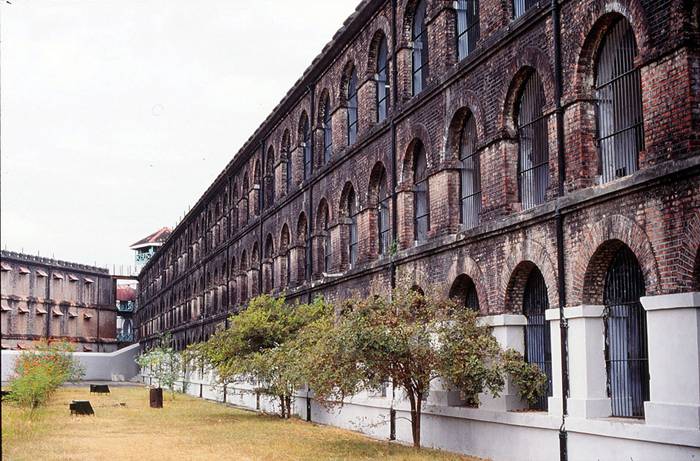
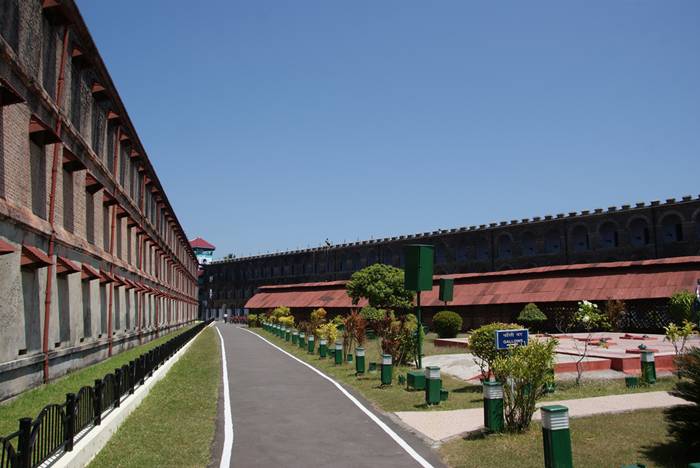
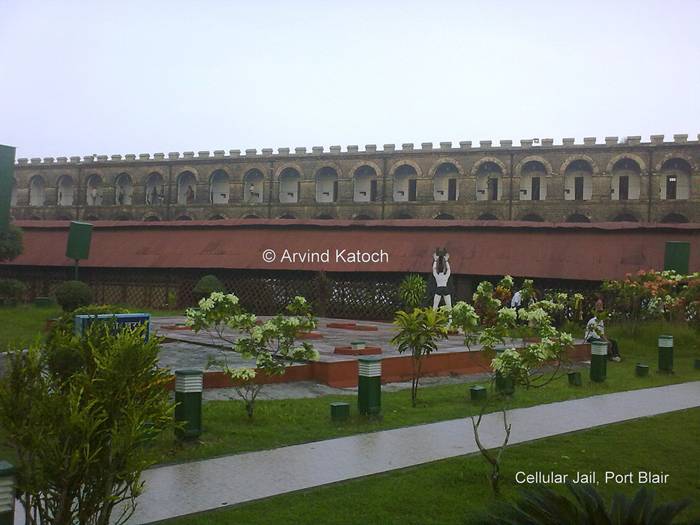
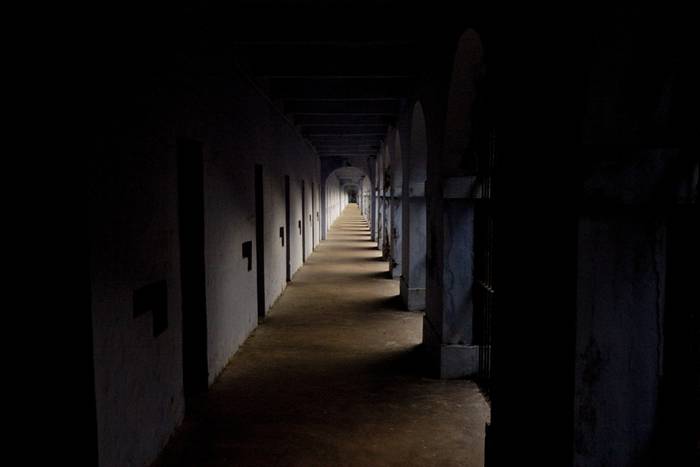
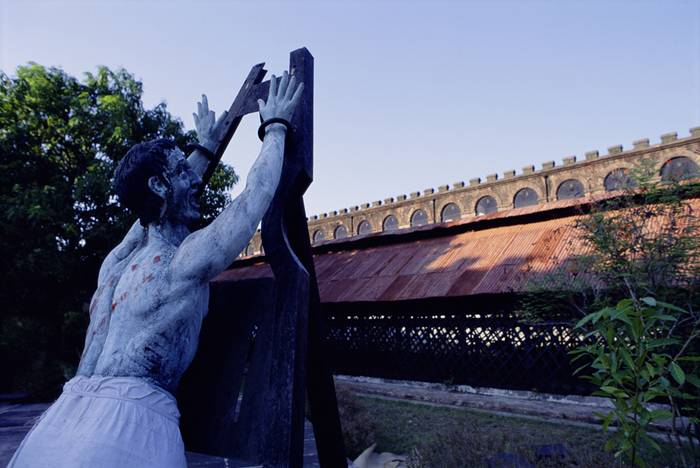
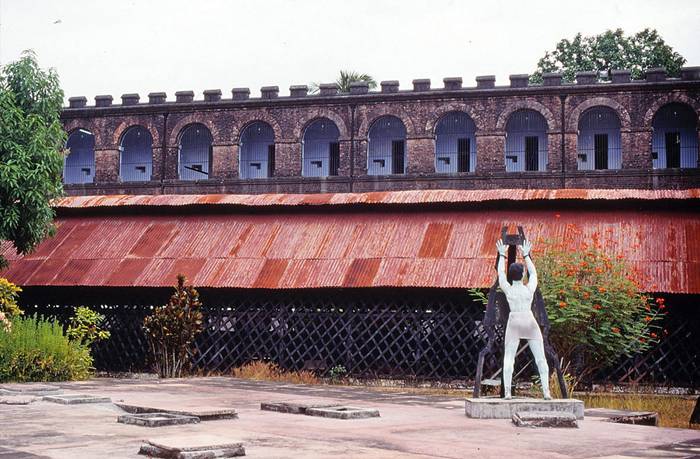
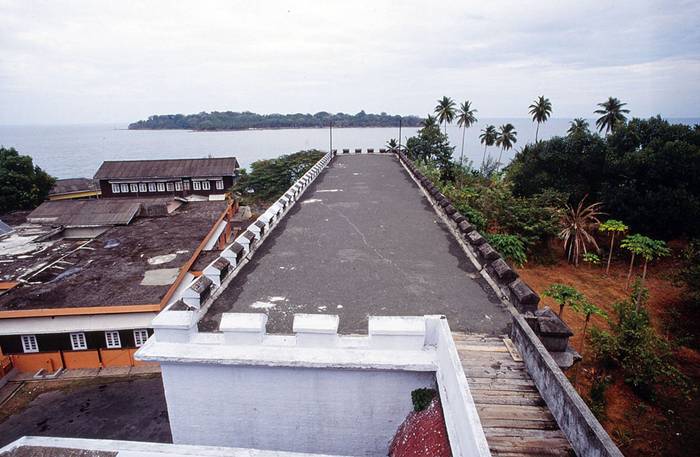
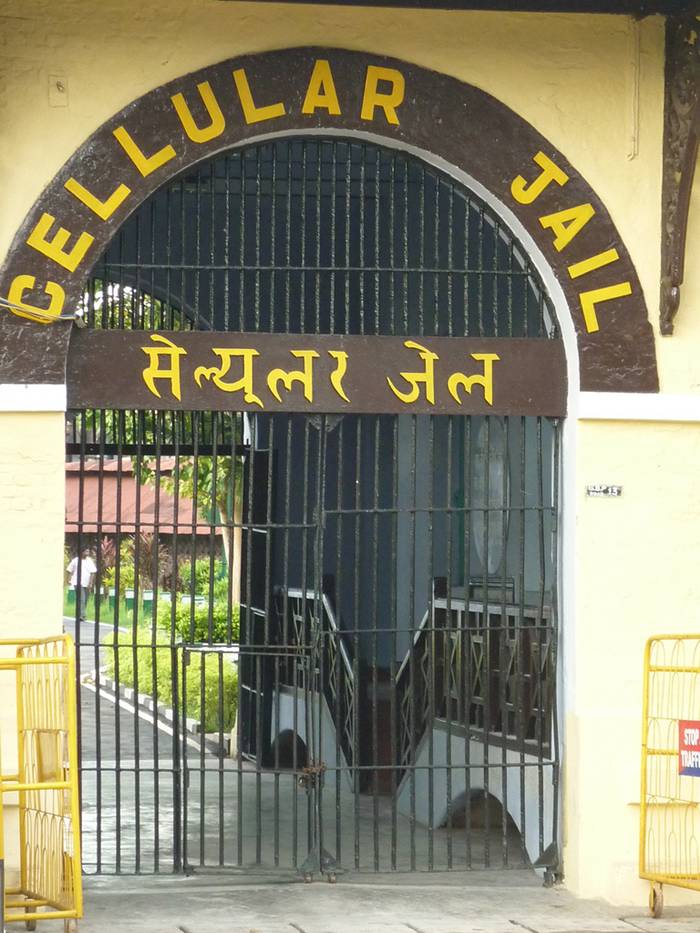
The Cellular Jail, also known as Ka-la- Pa-ani (Black Water), was a colonial prison situated in the Andaman and Nicobar Islands, India. The prison was used by the British especially to exile political prisoners to the remote archipelago. Many notable dissidents such as Batukeshwar Dutt and Veer Savarkar, among others, were imprisoned here during the struggle for India's independence. Today, the complex serves as a national memorial monument.
Photo — Link
The Cellular Jail, also known as Ka-la- Pa-ani (Black Water), was a colonial prison situated in the Andaman and Nicobar Islands, India. The prison was used by the British especially to exile political prisoners to the remote archipelago. Many notable dissidents such as Batukeshwar Dutt and Veer Savarkar, among others, were imprisoned here during the struggle for India's independence. Today, the complex serves as a national memorial monument.
History — Although the prison complex itself was constructed between 1896 and 1906, the British had been using the Andaman islands as a prison since the days in the immediate aftermath of the 1857 War of Independence. hortly after the rebellion was suppressed, the British executed many rebels. Those who survived were exiled for life to the Andamans to prevent them re-offending. 200 rebels were transported to the islands under the custody of the jailer David Barry and Major James Pattison Walker , a military doctor who had been warden of the prison at Agra. Another 733 from Karachi arrived in April, 1868. More prisoners arrived from India and Burma as the settlement grew. Anyone who belonged to the Mughal royal family, or who had sent a petition to Bahadur Shah Zafar during the Rebellion was liable to be deported to the islands. 
The Cellular Jail, also known as Ka-la- Pa-ani (Black Water), was a colonial prison situated in the Andaman and Nicobar Islands, India. The prison was used by the British especially to exile political prisoners to the remote archipelago. Many notable dissidents such as Batukeshwar Dutt and Veer Savarkar, among others, were imprisoned here during the struggle for India's independence. Today, the complex serves as a national memorial monument.
Photo — Link
The remote islands were considered to be a suitable place to punish the rebels. Not only were they isolated from the mainland, the overseas journey (Kala Pani) to the islands also threatened them with loss of caste, resulting in social exclusion. The convicts could also be used in chain gangs to construct prisons, buildings and harbour facilities. Many died in this enterprise. They served to colonise the island for the British.

By the late 19th century the independence movement had picked up momentum. As a result, the number of prisoners being sent to the Andamans started growing and the need for a high-security prison was felt.

The Cellular Jail, also known as Ka-la- Pa-ani (Black Water), was a colonial prison situated in the Andaman and Nicobar Islands, India. The prison was used by the British especially to exile political prisoners to the remote archipelago. Many notable dissidents such as Batukeshwar Dutt and Veer Savarkar, among others, were imprisoned here during the struggle for India's independence. Today, the complex serves as a national memorial monument.
Photo — Link
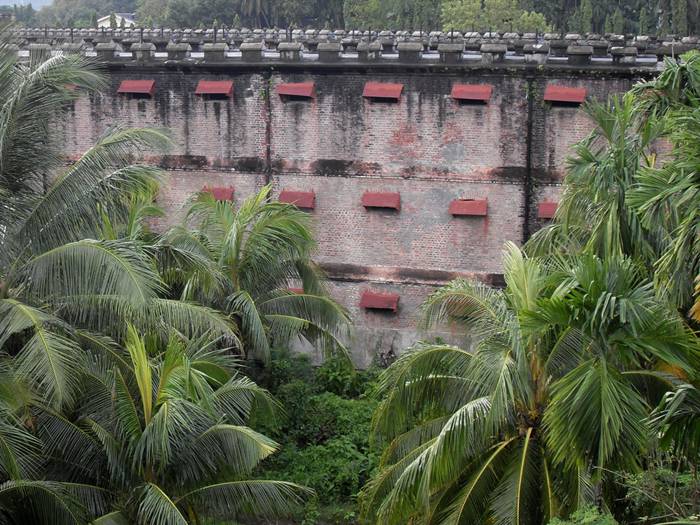
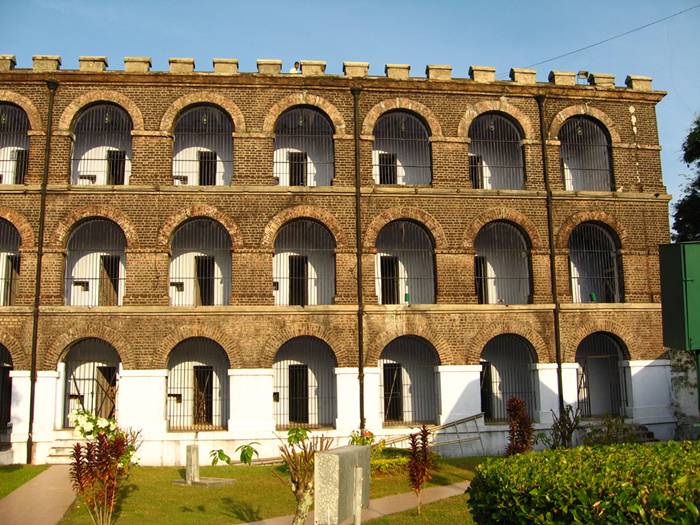
Architecture — The construction of the prison started in 1896 and was completed in 1906. The original building was a puce-colored brick building. The bricks used to build the building were brought from Burma.

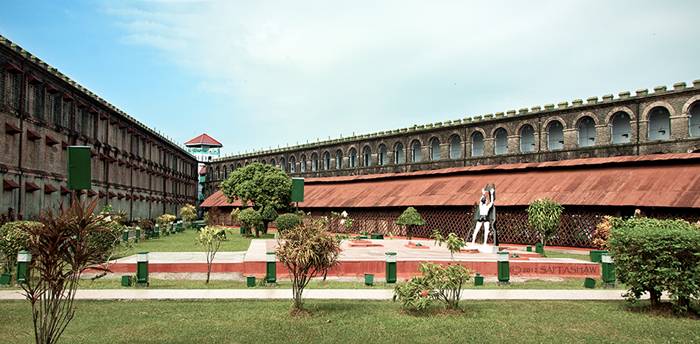
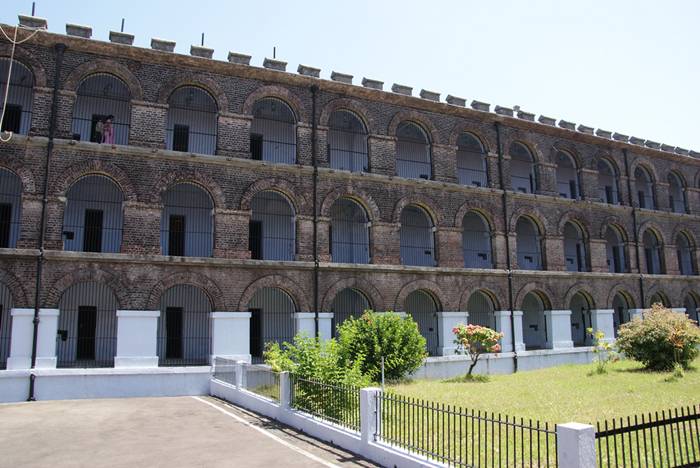
The building had seven wings, at the centre of which a tower served as the intersection and was used by guards to keep watch on the inmates. The wings radiated from the tower in straight lines, much like the spokes of a bicycle wheel. A large bell was kept in the tower to raise the alarm in any eventuality.
One of the seven wings

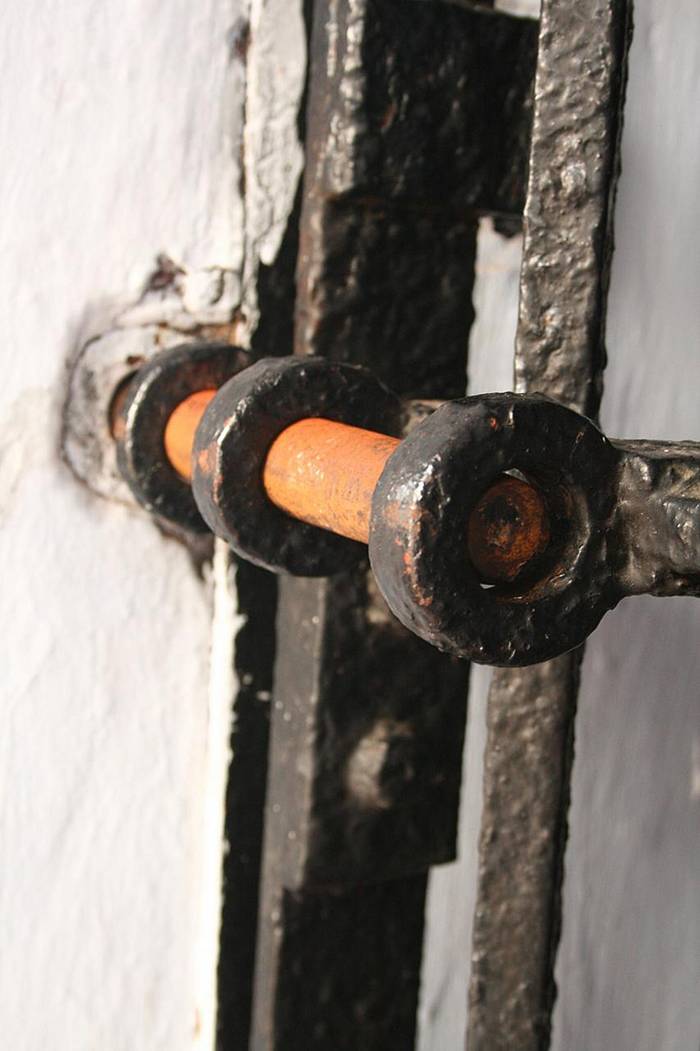
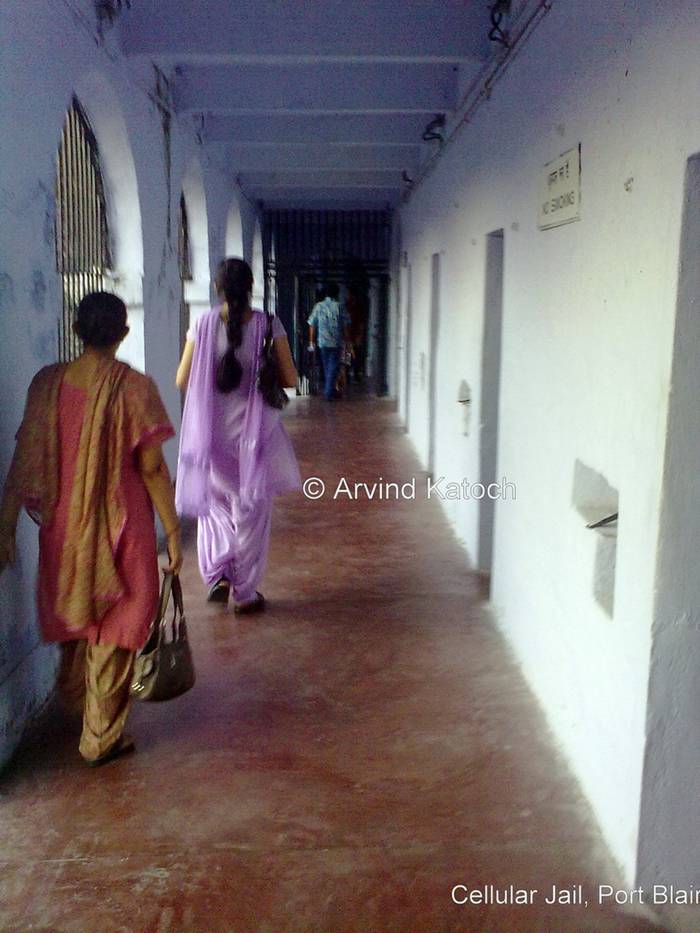
Each of the seven wings had three stories upon completion. There were no dormitories and a total of 693 cells. Each cell was 4.5 metres x 2.7 metres or 13.5x7.5 feet in size with a ventilator located at a height of three metres. The name, "cellular jail", derived from the solitary cells which prevented any prisoner from communicating with any other. Also, the spokes were so designed such that the face of a cell in a spoke saw the back of cells in another spoke. This way, communication between prisoners was impossible. They were all in solitary confinement. Wiki
The Cellular Jail, also known as Ka-la- Pa-ani (Black Water), was a colonial prison situated in the Andaman and Nicobar Islands, India. The prison was used by the British especially to exile political prisoners to the remote archipelago. Many notable dissidents such as Batukeshwar Dutt and Veer Savarkar, among others, were imprisoned here during the struggle for India's independence. Today, the complex serves as a national memorial monument.
Photo — Link
The Cellular Jail, also known as Ka-la- Pa-ani (Black Water), was a colonial prison situated in the Andaman and Nicobar Islands, India. The prison was used by the British especially to exile political prisoners to the remote archipelago. Many notable dissidents such as Batukeshwar Dutt and Veer Savarkar, among others, were imprisoned here during the struggle for India's independence. Today, the complex serves as a national memorial monument.
Photo — Link
The Cellular Jail, also known as Ka-la- Pa-ani (Black Water), was a colonial prison situated in the Andaman and Nicobar Islands, India. The prison was used by the British especially to exile political prisoners to the remote archipelago. Many notable dissidents such as Batukeshwar Dutt and Veer Savarkar, among others, were imprisoned here during the struggle for India's independence. Today, the complex serves as a national memorial monument.
Photo — Link
The Cellular Jail, also known as Ka-la- Pa-ani (Black Water), was a colonial prison situated in the Andaman and Nicobar Islands, India. The prison was used by the British especially to exile political prisoners to the remote archipelago. Many notable dissidents such as Batukeshwar Dutt and Veer Savarkar, among others, were imprisoned here during the struggle for India's independence. Today, the complex serves as a national memorial monument.
Photo — Link
The Cellular Jail, also known as Ka-la- Pa-ani (Black Water), was a colonial prison situated in the Andaman and Nicobar Islands, India. The prison was used by the British especially to exile political prisoners to the remote archipelago. Many notable dissidents such as Batukeshwar Dutt and Veer Savarkar, among others, were imprisoned here during the struggle for India's independence. Today, the complex serves as a national memorial monument.
Photo — Link
The Cellular Jail, also known as Ka-la- Pa-ani (Black Water), was a colonial prison situated in the Andaman and Nicobar Islands, India. The prison was used by the British especially to exile political prisoners to the remote archipelago. Many notable dissidents such as Batukeshwar Dutt and Veer Savarkar, among others, were imprisoned here during the struggle for India's independence. Today, the complex serves as a national memorial monument.
Photo — Link
The Cellular Jail, also known as Ka-la- Pa-ani (Black Water), was a colonial prison situated in the Andaman and Nicobar Islands, India. The prison was used by the British especially to exile political prisoners to the remote archipelago. Many notable dissidents such as Batukeshwar Dutt and Veer Savarkar, among others, were imprisoned here during the struggle for India's independence. Today, the complex serves as a national memorial monument.
Photo — Link
The Cellular Jail, also known as Ka-la- Pa-ani (Black Water), was a colonial prison situated in the Andaman and Nicobar Islands, India. The prison was used by the British especially to exile political prisoners to the remote archipelago. Many notable dissidents such as Batukeshwar Dutt and Veer Savarkar, among others, were imprisoned here during the struggle for India's independence. Today, the complex serves as a national memorial monument.
Photo — Link
The Cellular Jail, also known as Ka-la- Pa-ani (Black Water), was a colonial prison situated in the Andaman and Nicobar Islands, India. The prison was used by the British especially to exile political prisoners to the remote archipelago. Many notable dissidents such as Batukeshwar Dutt and Veer Savarkar, among others, were imprisoned here during the struggle for India's independence. Today, the complex serves as a national memorial monument.
Photo — Link
The Cellular Jail, also known as Ka-la- Pa-ani (Black Water), was a colonial prison situated in the Andaman and Nicobar Islands, India. The prison was used by the British especially to exile political prisoners to the remote archipelago. Many notable dissidents such as Batukeshwar Dutt and Veer Savarkar, among others, were imprisoned here during the struggle for India's independence. Today, the complex serves as a national memorial monument.
Photo — Link
The Cellular Jail, also known as Ka-la- Pa-ani (Black Water), was a colonial prison situated in the Andaman and Nicobar Islands, India. The prison was used by the British especially to exile political prisoners to the remote archipelago. Many notable dissidents such as Batukeshwar Dutt and Veer Savarkar, among others, were imprisoned here during the struggle for India's independence. Today, the complex serves as a national memorial monument.
Photo — Link
The Cellular Jail, also known as Ka-la- Pa-ani (Black Water), was a colonial prison situated in the Andaman and Nicobar Islands, India. The prison was used by the British especially to exile political prisoners to the remote archipelago. Many notable dissidents such as Batukeshwar Dutt and Veer Savarkar, among others, were imprisoned here during the struggle for India's independence. Today, the complex serves as a national memorial monument.
Photo — Link
The Cellular Jail, also known as Ka-la- Pa-ani (Black Water), was a colonial prison situated in the Andaman and Nicobar Islands, India. The prison was used by the British especially to exile political prisoners to the remote archipelago. Many notable dissidents such as Batukeshwar Dutt and Veer Savarkar, among others, were imprisoned here during the struggle for India's independence. Today, the complex serves as a national memorial monument.
Photo — Link
The Cellular Jail, also known as Ka-la- Pa-ani (Black Water), was a colonial prison situated in the Andaman and Nicobar Islands, India. The prison was used by the British especially to exile political prisoners to the remote archipelago. Many notable dissidents such as Batukeshwar Dutt and Veer Savarkar, among others, were imprisoned here during the struggle for India's independence. Today, the complex serves as a national memorial monument.
Photo — Link
The Cellular Jail, also known as Ka-la- Pa-ani (Black Water), was a colonial prison situated in the Andaman and Nicobar Islands, India. The prison was used by the British especially to exile political prisoners to the remote archipelago. Many notable dissidents such as Batukeshwar Dutt and Veer Savarkar, among others, were imprisoned here during the struggle for India's independence. Today, the complex serves as a national memorial monument.
Photo — Link
The Cellular Jail, also known as Ka-la- Pa-ani (Black Water), was a colonial prison situated in the Andaman and Nicobar Islands, India. The prison was used by the British especially to exile political prisoners to the remote archipelago. Many notable dissidents such as Batukeshwar Dutt and Veer Savarkar, among others, were imprisoned here during the struggle for India's independence. Today, the complex serves as a national memorial monument.
Photo — Link
The Cellular Jail, also known as Ka-la- Pa-ani (Black Water), was a colonial prison situated in the Andaman and Nicobar Islands, India. The prison was used by the British especially to exile political prisoners to the remote archipelago. Many notable dissidents such as Batukeshwar Dutt and Veer Savarkar, among others, were imprisoned here during the struggle for India's independence. Today, the complex serves as a national memorial monument.
Photo — Link
The Cellular Jail, also known as Ka-la- Pa-ani (Black Water), was a colonial prison situated in the Andaman and Nicobar Islands, India. The prison was used by the British especially to exile political prisoners to the remote archipelago. Many notable dissidents such as Batukeshwar Dutt and Veer Savarkar, among others, were imprisoned here during the struggle for India's independence. Today, the complex serves as a national memorial monument.
Photo — Link

Aqueduct of Segovia

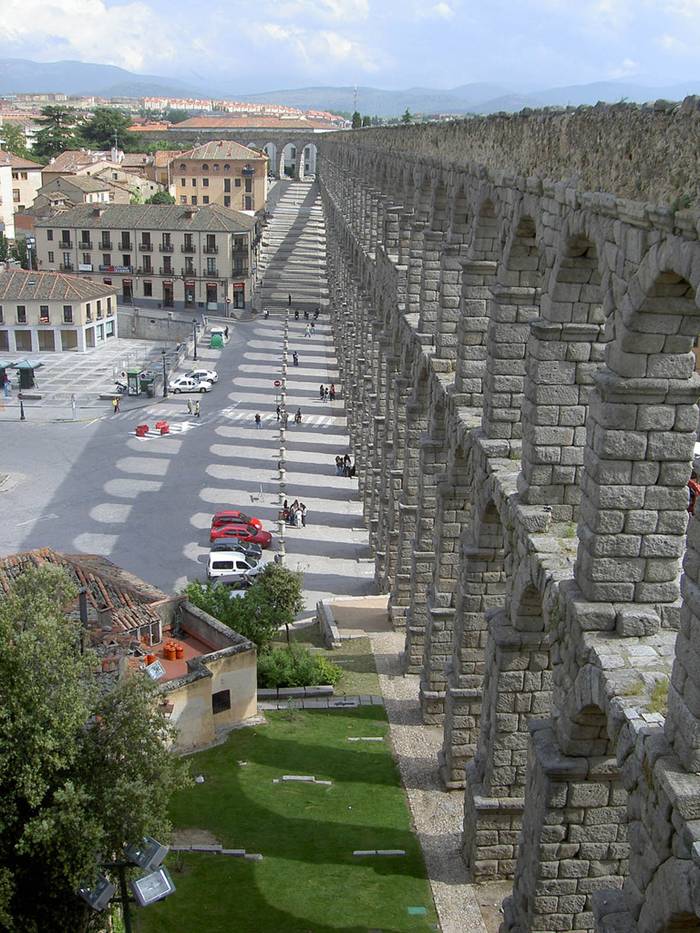
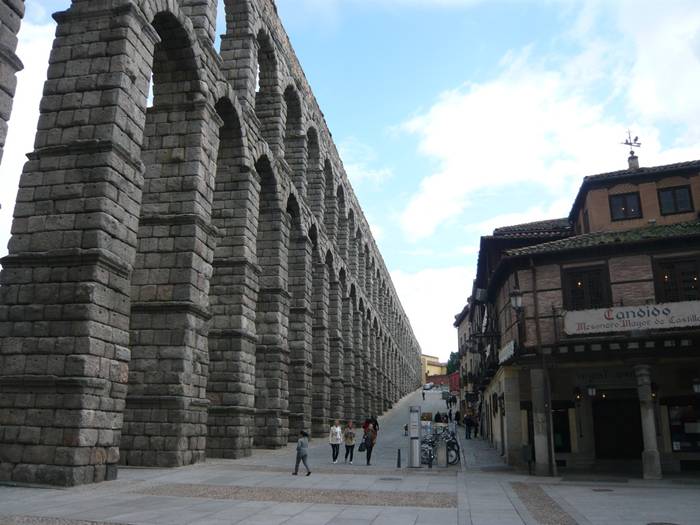
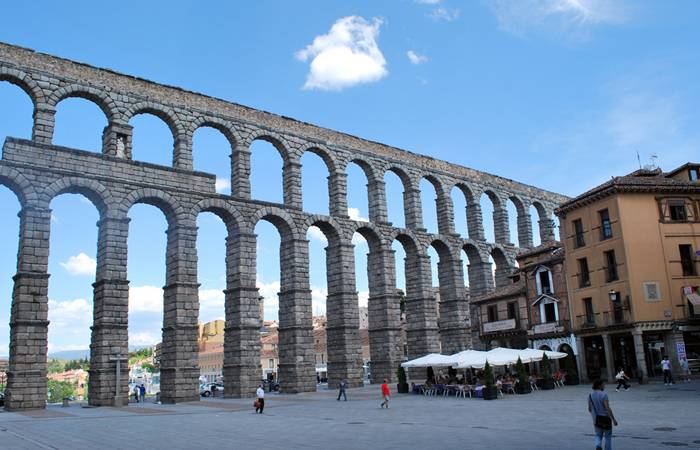
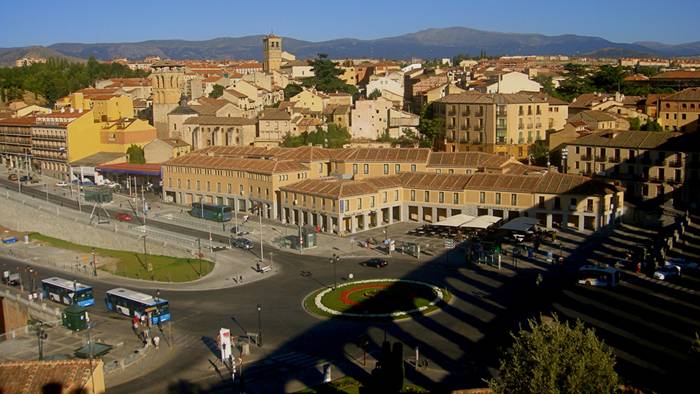
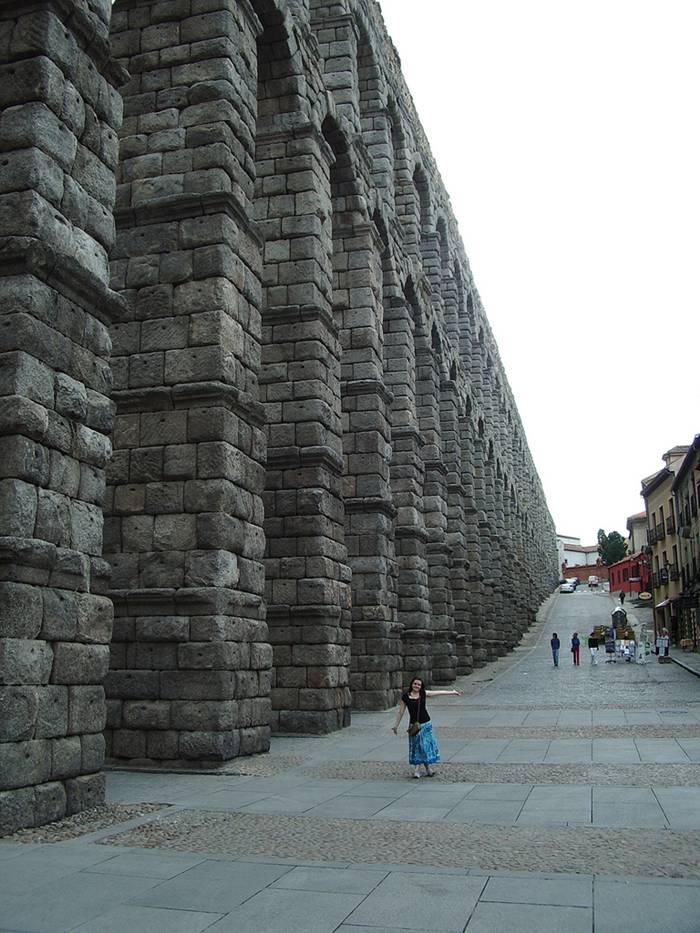
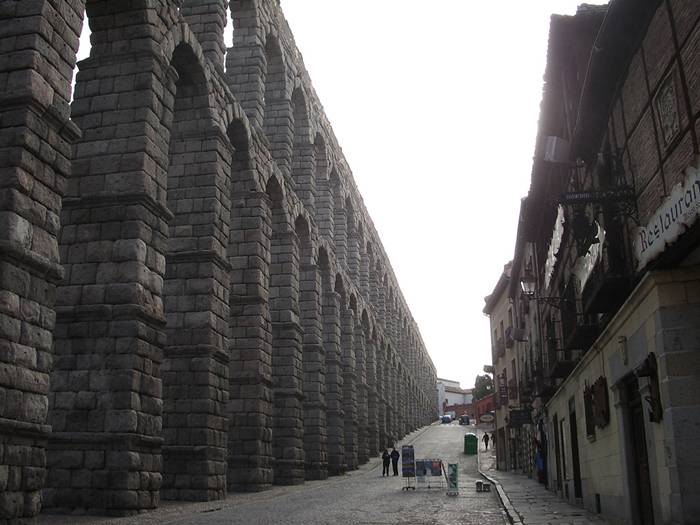
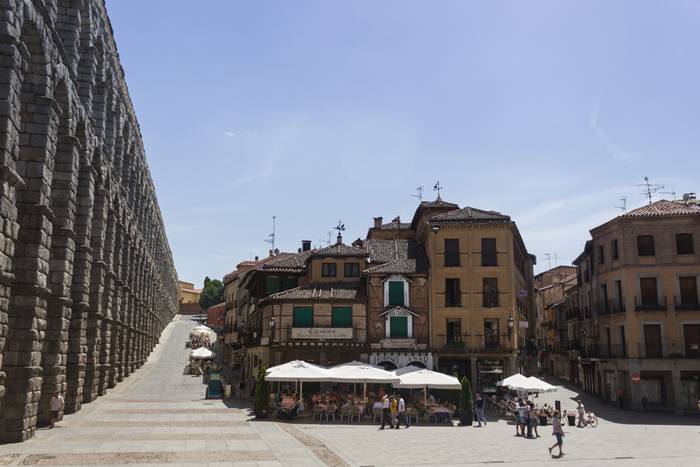
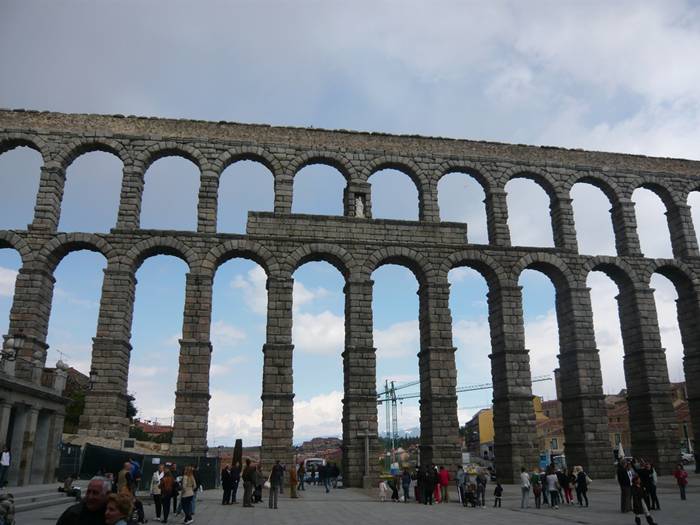
The Aqueduct of Segovia is a Roman aqueduct and one of the most significant and best-preserved ancient monuments left on the Iberian Peninsula. It is located in Spain and is the foremost symbol of Segovia, as evidenced by its presence on the city's coat of arms.
History — As the aqueduct lacks a legible inscription (one was apparently located in the structure's attic, or top portion), the date of construction cannot be definitively determined. Researchers have placed it between the second half of the 1st Century AD and the early years of the 2nd Century—during the reign of either Emperor Vespasian or Nerva. The beginnings of Segovia itself are likewise not definitively known. The people called Vaccaei are known to have populated the place or area before the Romans conquered the city. Roman troops sent to control the area stayed behind to settle there. The area fell within the jurisdiction of the Roman provincial court (Latin conventus iuridici, Spanish convento jurídico) located in Clunia.
The Aqueduct of Segovia is a Roman aqueduct and one of the most significant and best-preserved ancient monuments left on the Iberian Peninsula. It is located in Spain and is the foremost symbol of Segovia, as evidenced by its presence on the city's coat of arms.
Photo — Link
Description — The aqueduct transports waters from Fuente Fría river, situated in the nearby mountains, some 17 km (11 mi) from the city in a region known as La Acebeda. It runs another 15 km (9.3 mi) before arriving in the city.
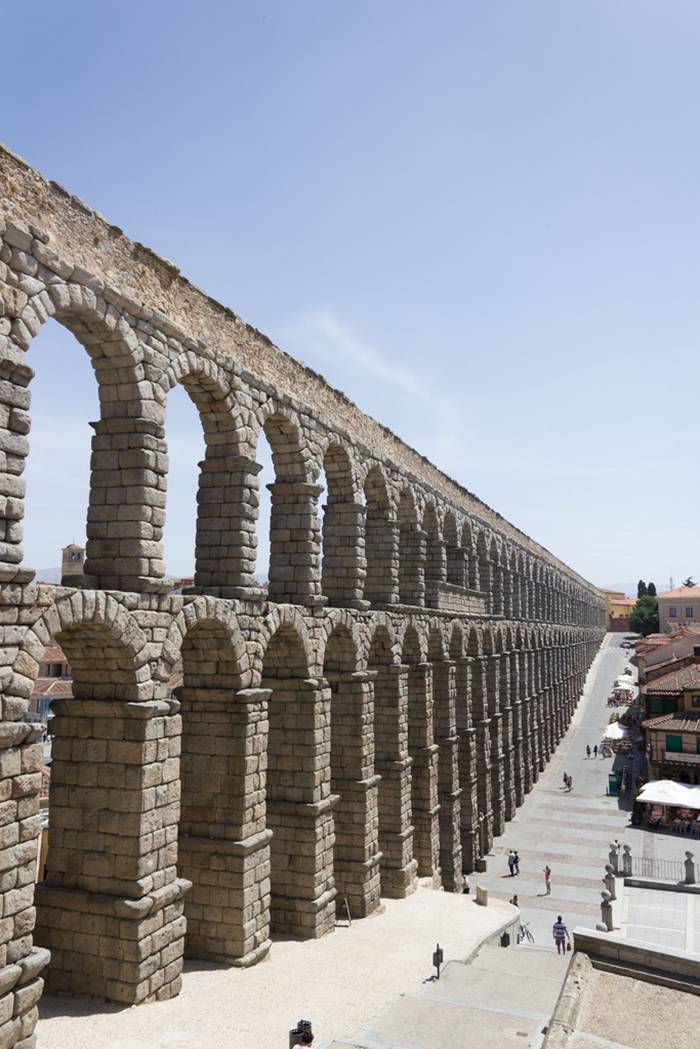
The water is first gathered in a tank known as El Caserón (or Big House), and is then led through a channel to a second tower known as the Casa de Aguas (or Waterhouse). There it is naturally decanted and sand settles out before the water continues its route. Next the water travels 728 m (796 yd) on a one-percent grade until it is high upon the Postigo, a rocky outcropping on which the old city center, the Segovia Alcázar, was built. Then, at Plaza de Díaz Sanz (Díaz Sanz Square), the structure makes an abrupt turn and heads toward Plaza Azoguejo (Azoguejo Square). It is there the monument begins to display its full splendor. At its tallest, the aqueduct reaches a height of 28.5 m (93 ft 6 in), including nearly 6 m (19 ft 8 in) of foundation. There are both single and double arches supported by pillars. From the point the aqueduct enters the city until it reaches Plaza de Díaz Sanz, it includes 75 single arches and 44 double arches (or 88 arches when counted individually), followed by four single arches, totalling 166 arches in all. 
The Aqueduct of Segovia is a Roman aqueduct and one of the most significant and best-preserved ancient monuments left on the Iberian Peninsula. It is located in Spain and is the foremost symbol of Segovia, as evidenced by its presence on the city's coat of arms.
Photo — Link
The construction of the aqueduct follows the principles laid out by Vitruvius as he describes in his De Architectura published in the mid-first century.
Construction — The first section of the aqueduct contains 36 semi-circular arches, rebuilt in the 15th century to restore a portion destroyed by the Moors in 1072. The line of arches is organized in two levels, decorated simply, in which predominantly simple moulds hold the frame and provide support to the structure. On the upper level, the arches have a total width of 5.1 meters (16.1 ft). Built in two levels, the top pillars are both shorter and narrower than those on the lower level. The top of the structure contains the channel through which water travels, through a U-shaped hollow measuring 0.55 by 0.46 in circumference size. The top of each pillar has a cross-section measuring 1.8 by 2.5 meters (5.9 by 8.2 feet), while the base cross-section measures approximately 2.4 by 3 meters (7.9 by 9.8 feet).
Principal facade of the Aqueduct of Segovia. The aqueduct is built of unmortared, brick-like granite blocks. During the Roman era, each of the three tallest arches displayed a sign in bronze letters, indicating the name of its builder along with the date of construction. Today, two niches are still visible, one on each side of the aqueduct. One of them is known to have held the image of Hercules, who according to legend was founder of the city. The other niche now contains the images of the Virgen de la Fuencisla (the Patroness of Segovia) and Saint Stephen.
The Aqueduct of Segovia is a Roman aqueduct and one of the most significant and best-preserved ancient monuments left on the Iberian Peninsula. It is located in Spain and is the foremost symbol of Segovia, as evidenced by its presence on the city's coat of arms.Photo — Link
The Aqueduct of Segovia is a Roman aqueduct and one of the most significant and best-preserved ancient monuments left on the Iberian Peninsula. It is located in Spain and is the foremost symbol of Segovia, as evidenced by its presence on the city's coat of arms.
Photo — Link
The Aqueduct of Segovia is a Roman aqueduct and one of the most significant and best-preserved ancient monuments left on the Iberian Peninsula. It is located in Spain and is the foremost symbol of Segovia, as evidenced by its presence on the city's coat of arms.
Photo — Link
The Aqueduct of Segovia is a Roman aqueduct and one of the most significant and best-preserved ancient monuments left on the Iberian Peninsula. It is located in Spain and is the foremost symbol of Segovia, as evidenced by its presence on the city's coat of arms.
Photo — Link
The Aqueduct of Segovia is a Roman aqueduct and one of the most significant and best-preserved ancient monuments left on the Iberian Peninsula. It is located in Spain and is the foremost symbol of Segovia, as evidenced by its presence on the city's coat of arms.
Photo — Link
The Aqueduct of Segovia is a Roman aqueduct and one of the most significant and best-preserved ancient monuments left on the Iberian Peninsula. It is located in Spain and is the foremost symbol of Segovia, as evidenced by its presence on the city's coat of arms.
Photo — Link
The Aqueduct of Segovia is a Roman aqueduct and one of the most significant and best-preserved ancient monuments left on the Iberian Peninsula. It is located in Spain and is the foremost symbol of Segovia, as evidenced by its presence on the city's coat of arms.
Photo — Link
The Aqueduct of Segovia is a Roman aqueduct and one of the most significant and best-preserved ancient monuments left on the Iberian Peninsula. It is located in Spain and is the foremost symbol of Segovia, as evidenced by its presence on the city's coat of arms.
Photo — Link
The Aqueduct of Segovia is a Roman aqueduct and one of the most significant and best-preserved ancient monuments left on the Iberian Peninsula. It is located in Spain and is the foremost symbol of Segovia, as evidenced by its presence on the city's coat of arms.
Photo — Link
The Aqueduct of Segovia is a Roman aqueduct and one of the most significant and best-preserved ancient monuments left on the Iberian Peninsula. It is located in Spain and is the foremost symbol of Segovia, as evidenced by its presence on the city's coat of arms.
Photo — Link
The Aqueduct of Segovia is a Roman aqueduct and one of the most significant and best-preserved ancient monuments left on the Iberian Peninsula. It is located in Spain and is the foremost symbol of Segovia, as evidenced by its presence on the city's coat of arms.
Photo — Link
The Aqueduct of Segovia is a Roman aqueduct and one of the most significant and best-preserved ancient monuments left on the Iberian Peninsula. It is located in Spain and is the foremost symbol of Segovia, as evidenced by its presence on the city's coat of arms.
Photo — Link
The Aqueduct of Segovia is a Roman aqueduct and one of the most significant and best-preserved ancient monuments left on the Iberian Peninsula. It is located in Spain and is the foremost symbol of Segovia, as evidenced by its presence on the city's coat of arms.
Photo — Link
Via — Link
 
Support : Venus Net | Pagak City
Copyright © 2013. Naughty french - All Rights Reserved
Template Created by Together Published by Venus Net
Proudly powered by Blogger